

US Imposes Blockade on Iran’s Ports: Implications for Global Oil Supply and Economy
The global economy stands on the edge as tensions escalate in the Strait of Hormuz, a crucial passageway for oil and gas shipments. This vital maritime route sees approximately 20% of the...

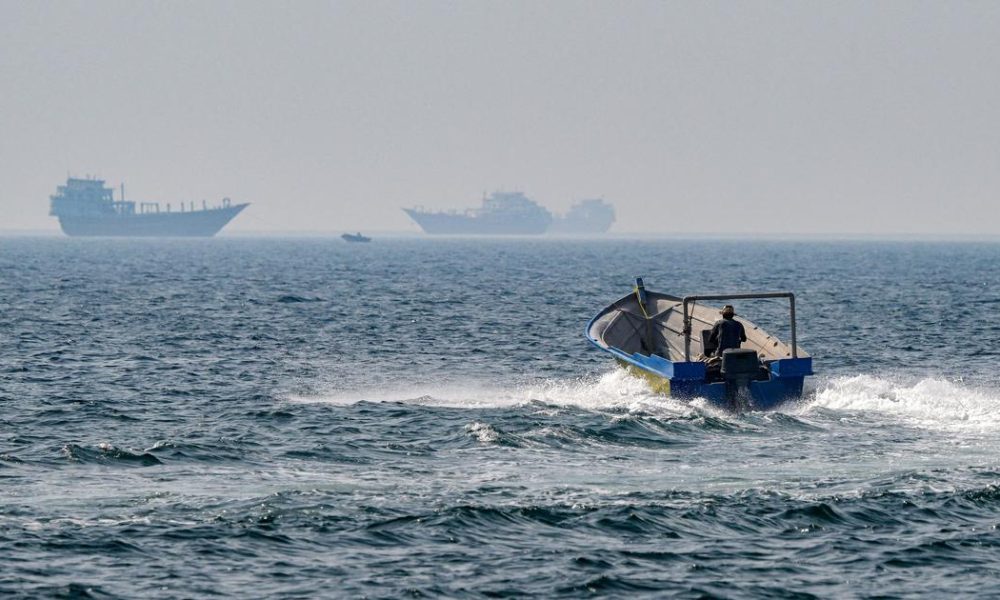
The global economy stands on the edge as tensions escalate in the Strait of Hormuz, a crucial passageway for oil and gas shipments. This vital maritime route sees approximately 20% of the world’s petroleum flow, and Iran’s recent actions have put its access in jeopardy. Amid ongoing conflict with Israel and the United States, Iran has effectively closed the strait, prompting significant concern among nations reliant on these energy supplies.
Throughout the conflict, some vessels have managed to navigate the strait, albeit under stringent Iranian conditions, including the alleged payment of tolls for safe passage. The reopening of this vital waterway became a focal point in discussions that led to a two-week ceasefire, but the failure of negotiations between the US and Iran has resulted in escalating tensions.
On social media, US President Donald Trump announced a decisive move, stating that the United States Navy would initiate a blockade on any vessels attempting to enter or exit the Strait of Hormuz. This blockade is scheduled to take effect on April 13, aiming to exert economic pressure on Iran by limiting its oil exports. The US Central Command confirmed that all Iranian ports would be under blockade, a tactic aimed at compelling Iran to permit unrestricted maritime traffic.
Iran, a major player in the global oil market, has warned that this blockade could reverberate beyond its borders, significantly impacting the international economy. With the global demand for oil remaining robust, any disruption in supply could lead to skyrocketing prices and potentially fuel inflation in various countries, including India, which imports a substantial portion of its energy requirements.
The geopolitical implications of this blockade are vast. Countries dependent on oil imports are closely monitoring the situation, as the prospect of further escalations could destabilize markets. Indian policymakers, who are keenly aware of the potential economic ramifications, must navigate these turbulent waters carefully. It is essential to foster diplomatic dialogues while preparing for possible energy supply disruptions and considering alternative energy sources.
Source: scroll.in






No Comment! Be the first one.