

Umar Khalid Appeals Supreme Court Ruling Denying Bail in Delhi Riots Case
Prominent activist Umar Khalid has submitted a petition for review to the Supreme Court, contesting its previous decision from January 5 that denied him bail in the larger conspiracy case related to...

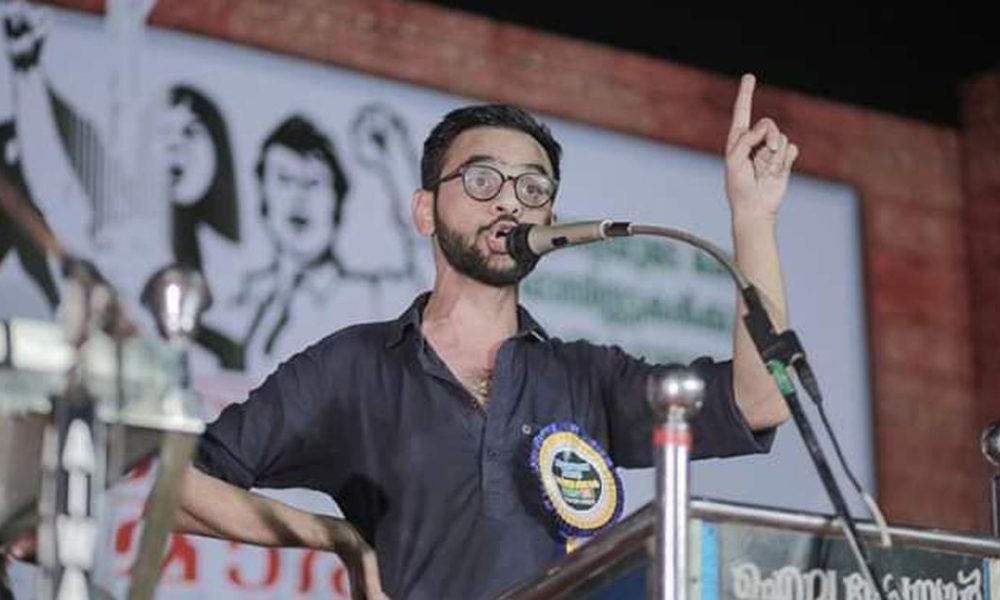
Prominent activist Umar Khalid has submitted a petition for review to the Supreme Court, contesting its previous decision from January 5 that denied him bail in the larger conspiracy case related to the Delhi riots. This development was reported on Monday, with the Supreme Court listing the case for a hearing on Wednesday.
The January ruling not only denied bail to Khalid but also to fellow activist Sharjeel Imam. In contrast, the court had previously granted bail to other activists including Gulfisha Fatima, Meeran Haider, Shifa-ur-Rehman, Shadab Ahmed, and Muhammad Saleem Khan. The bench comprising Justices Aravind Kumar and NV Anjaria noted that Khalid and Imam could reapply for bail either after the examination of all protected witnesses or after one year.
Khalid and Imam’s petitions were filed in response to the Delhi High Court’s decision on September 2 that rejected their requests for bail. The activists were arrested during a tumultuous period between January and September 2020, following the outbreak of communal violence in North East Delhi in February 2020. This violence, which erupted over the controversial Citizenship Amendment Act (CAA), resulted in the tragic loss of 53 lives and left hundreds injured, predominantly affecting the Muslim community.
The charges against Khalid, Imam, and others are serious, encompassing the Unlawful Activities Prevention Act, the Prevention of Damage to Public Property Act, the Arms Act, and multiple sections under the Indian Penal Code. Authorities allege that the violence was a coordinated effort to instigate communal unrest, linking the riots to a larger conspiracy.
The ongoing legal battles highlight the intense political and social tensions surrounding the CAA and the protests that followed its introduction. As Khalid seeks to overturn the Supreme Court’s earlier decision, the case continues to draw significant public and media attention, reflecting the broader discourse on civil rights and state repression in India.
Source: scroll.in





No Comment! Be the first one.