

Unveiling Colonial Friendships: The Unique Bond of a Hyderabad Princess and a Hindu Queen
In the early decades of the 20th century, an extraordinary friendship unfolded between two royal women from vastly different backgrounds in colonial South Asia. Durru Shehvar, born in 1914 as an...

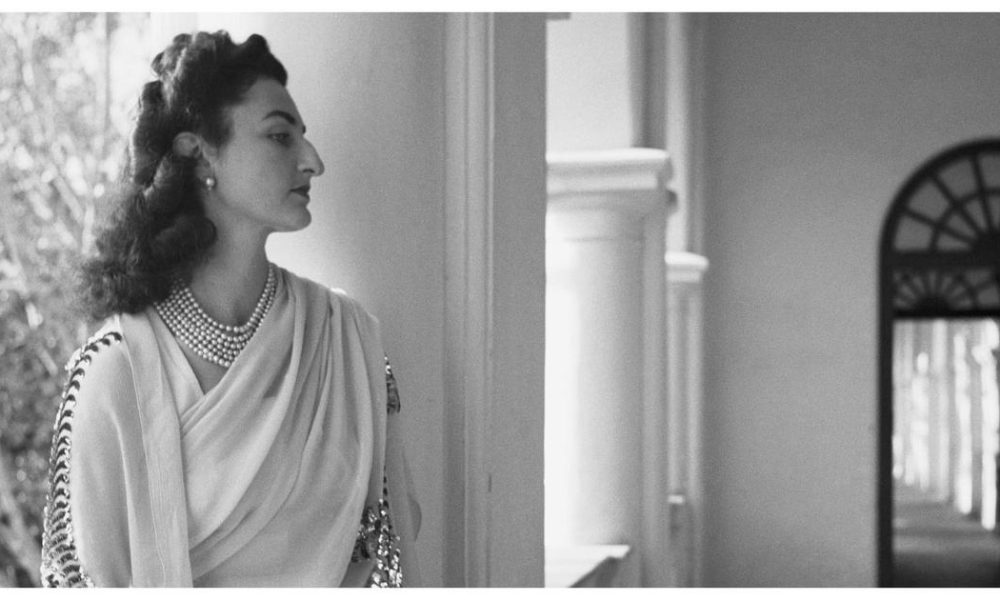
In the early decades of the 20th century, an extraordinary friendship unfolded between two royal women from vastly different backgrounds in colonial South Asia. Durru Shehvar, born in 1914 as an Ottoman princess, and Sita Devi, a Hindu princess from Kashipur who later became the Maharani of Kapurthala, exchanged letters, photographs, and even served as godmothers to each other’s children, highlighting a remarkable connection that defied the norms of their time.
Durru Shehvar’s life was intricately linked to the opulence of the Hyderabad princely state, where her husband was the eldest son of the Nizam, known for being one of the wealthiest rulers in colonial India. Meanwhile, Sita Devi was not only known for her royal lineage but also for her influence in global fashion circles. Born in 1915, she became a celebrated figure in elite social settings, showcasing the duality of her identity as both a royal and a trendsetter.
The friendship between Durru and Sita, though well-documented through anecdotes, lacks extensive autobiographical records. Durru wrote a memoir that primarily recounts her childhood experiences and the challenges of her forced exile, leaving the details of her married life and friendships less explored. A solitary piece of evidence shedding light on their bond is a handwritten note attached to a photograph from 1939, where Durru affectionately addressed Sita, stating, “To Sita, with affectionate thoughts, Durru Shehvar.” This simple message encapsulates the warmth and intimacy shared between the two women.
At a glance, their relationship appears somewhat unconventional, especially when viewed through a contemporary lens. The cultural and social constraints of their time often dictated the boundaries of friendship, particularly between women from different religious and social backgrounds. Yet, Durru and Sita’s mutual admiration and shared experiences reveal a different narrative—one that celebrates the power of friendship across divides.
As we delve deeper into their story, it becomes evident that their bond represents a microcosm of a larger societal shift during the colonial era. Their interactions symbolize a breaking of barriers and a glimpse into the lives of women who navigated a complex socio-political landscape. This unique friendship not only enriches our understanding of individual lives but also serves as a testament to the enduring nature of human connections in the face of societal divisions.
Source: scroll.in







No Comment! Be the first one.