

Tamil Nadu Custodial Deaths: Court Verdict Sparks Questions on Police Accountability
On April 6, a significant ruling was delivered by the Madurai District Court, culminating in the death sentence for nine policemen implicated in the custodial deaths of P. Jayaraj and his son J....

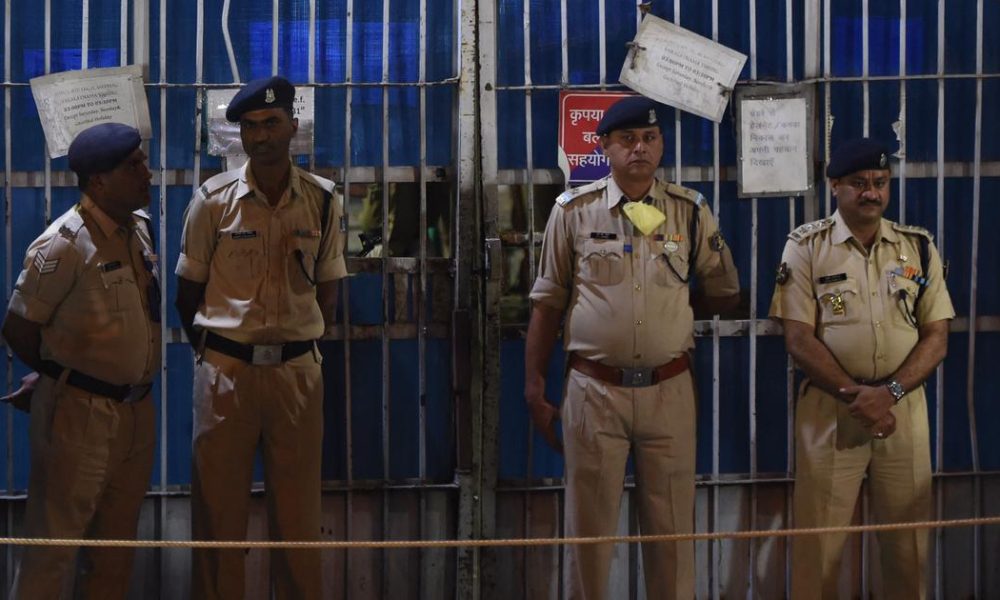
On April 6, a significant ruling was delivered by the Madurai District Court, culminating in the death sentence for nine policemen implicated in the custodial deaths of P. Jayaraj and his son J. Benicks. This tragic case unfolded in June 2020 in Sathankulam, a town located in Tamil Nadu’s Thoothukudi district, during the height of the Covid-19 lockdown.
The police initially justified their actions by claiming that the duo was arrested for violating curfew by keeping their mobile phone repair shop open late. However, this narrative quickly fell apart under scrutiny. In their initial reports, authorities alleged that the victims had sustained injuries while rolling on the ground and attributed their deaths to unrelated health issues such as fever and high blood pressure.
A thorough investigation by the Central Bureau of Investigation (CBI) contradicted the police’s statements, revealing that Jayaraj and Benicks were subjected to extreme physical and sexual abuse leading to their deaths. The court’s verdict, while providing a measure of justice for the victims and their family, has raised broader questions regarding the systemic issues that allow such abuses to occur within law enforcement.
Despite the gravity of the verdict, an essential aspect remains unexamined: the complicity or negligence of other authorities. When individuals are taken into police custody, they are legally required to undergo a medical examination and be presented before a magistrate within 24 hours. Yet, following the torture of Jayaraj and Benicks, they were examined by a doctor under dubious circumstances, raising concerns about the integrity of the medical examination process and the potential lapses in judicial oversight.
This case has reignited conversations around police reform and accountability in India, urging citizens and advocacy groups to question the safety nets intended to protect individuals from police brutality. While the court’s ruling may serve as a precedent for holding law enforcement accountable, it remains essential to ensure that such tragedies do not recur. A holistic approach targeting the systemic failures within law enforcement and judicial processes must be prioritized to restore faith in the justice system.
Source: scroll.in







No Comment! Be the first one.