

Exploring Time and Humanity: Six New Nonfiction Books that Bridge the Past and Present
In an era where the past often feels distant, a new wave of nonfiction literature is reawakening interest in ancient civilizations and their relevance to contemporary society. Six books have emerged,...

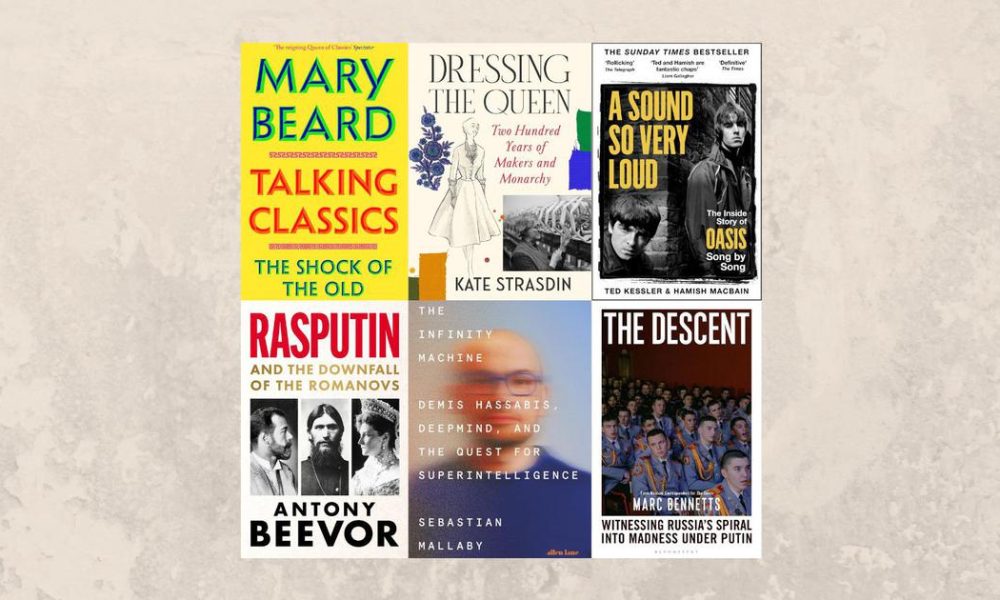
In an era where the past often feels distant, a new wave of nonfiction literature is reawakening interest in ancient civilizations and their relevance to contemporary society. Six books have emerged, each offering unique perspectives on how history, art, and technology shape our understanding of the human experience across time.
One of the standout titles is Talking Classics: The Shock of the Old by the esteemed classicist Mary Beard. In this enlightening work, Beard invites readers to explore the lives and thoughts of people from ancient Greece and Rome, arguing that their experiences are not merely artifacts for the privileged few but resonate with all of us. She poses intriguing questions about the significance of historical objects, like a 4,000-year-old loaf of bread or remnants from the Pompeii eruption, challenging us to find connections between ancient cultures and modern life.
Beard’s narrative is vibrant and accessible, filled with anecdotes and historical tidbits that keep the reader engaged. By drawing parallels between figures from antiquity and contemporary personalities—from political leaders to artists like Bob Dylan and Beyoncé—she illustrates how our present is deeply influenced by the past. Beard’s sentiment that excitement about antiquity should not be a prerequisite for understanding its impact resonates particularly in today’s globalized world.
Another noteworthy book is The Infinity Machine: Demis Hassabis, DeepMind and the Quest for Superintelligence by Sebastian Mallaby, which delves into the realm of artificial intelligence. Mallaby chronicles the endeavors of Demis Hassabis, the co-founder of DeepMind, a company at the forefront of AI research. This book provides insight into how technology is evolving and the philosophical implications of creating superintelligent machines. For Indian readers, the dialogue surrounding AI’s potential and ethical considerations is particularly pertinent, given India’s burgeoning tech landscape.
As we traverse through these narratives, it becomes clear that the exploration of human history—whether through ancient texts or modern technology—offers invaluable lessons. These books not only serve as informative resources but also encourage readers to reflect on their own lives within the broader tapestry of time. They remind us that understanding the past can empower us to navigate the complexities of the present and future.
Source: scroll.in







No Comment! Be the first one.