

Supreme Court Offers Protection to Journalist Amidst Caste Abuse Allegation by ACP
The Supreme Court of India provided interim relief to a female journalist embroiled in a contentious legal battle following allegations made by Delhi’s Assistant Commissioner of Police (ACP)...

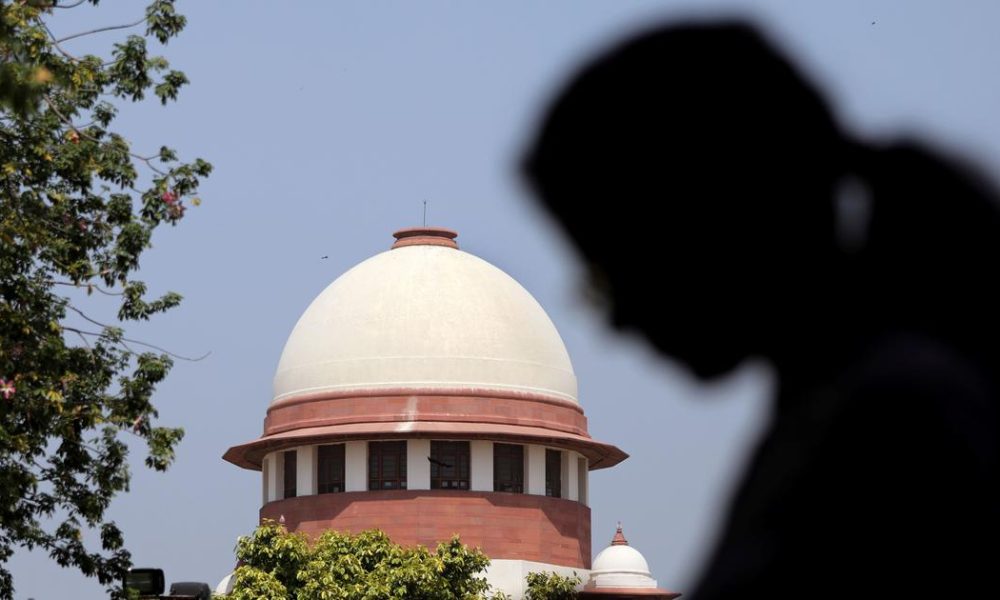
The Supreme Court of India provided interim relief to a female journalist embroiled in a contentious legal battle following allegations made by Delhi’s Assistant Commissioner of Police (ACP) Vivek Bhagat. This ruling came shortly after the journalist accused Bhagat of sexual harassment during a protest, as reported by Bar and Bench.
The incident that sparked this legal confrontation occurred on October 3, when the journalist claimed that Bhagat groped her while she was filming student leader Neha Bora’s detention. This was part of a larger demonstration demanding the resignation of Chief Election Commissioner Gyanesh Kumar. In a counter-complaint, Bhagat, who belongs to a scheduled caste community, alleged that the journalist made derogatory comments about his caste during the protests, as reported by the Press Trust of India.
During a hearing held on Thursday, a bench comprising Chief Justice Surya Kant and Justice Joymala Bagchi addressed a petition from a press organization seeking to scrutinize allegations of sexual violence targeting women journalists covering the ongoing protests against the Chief Election Commissioner. Advocate Indira Jaisingh, representing the petitioners, argued that Bhagat’s caste discrimination case was filed in retaliation to the journalist’s allegations of sexual harassment against him. Jaisingh urged the court to ensure that no coercive legal action is taken against any woman journalist who has brought forth complaints, emphasizing the need to protect media professionals from criminal prosecution while performing their duties.
Solicitor General Tushar Mehta, representing the government, stressed the importance of a balanced approach in addressing such sensitive matters. He indicated a willingness to consider the implications of the allegations in the broader context of protecting journalistic integrity and freedom. The court’s decision to grant interim protection reflects its recognition of the complexities involved in cases that intertwine issues of caste, gender, and professional conduct.
This case not only underscores the ongoing challenges faced by journalists in India, particularly women covering protests and sensitive subjects, but also highlights the crucial intersection of caste and gender in legal and societal discourses. The Supreme Court’s ruling may set a precedent for how similar cases are handled in the future, particularly in a country where caste-based discrimination and gender violence remain pressing issues.
Source: scroll.in






No Comment! Be the first one.