

Supreme Court Ensures Journalist’s Protection in Ayodhya Corruption Case
In a significant ruling, the Supreme Court has granted absolute protection from arrest to journalist Abhishek Upadhyay, who is embroiled in a road rage incident that he claims is an attempt to...

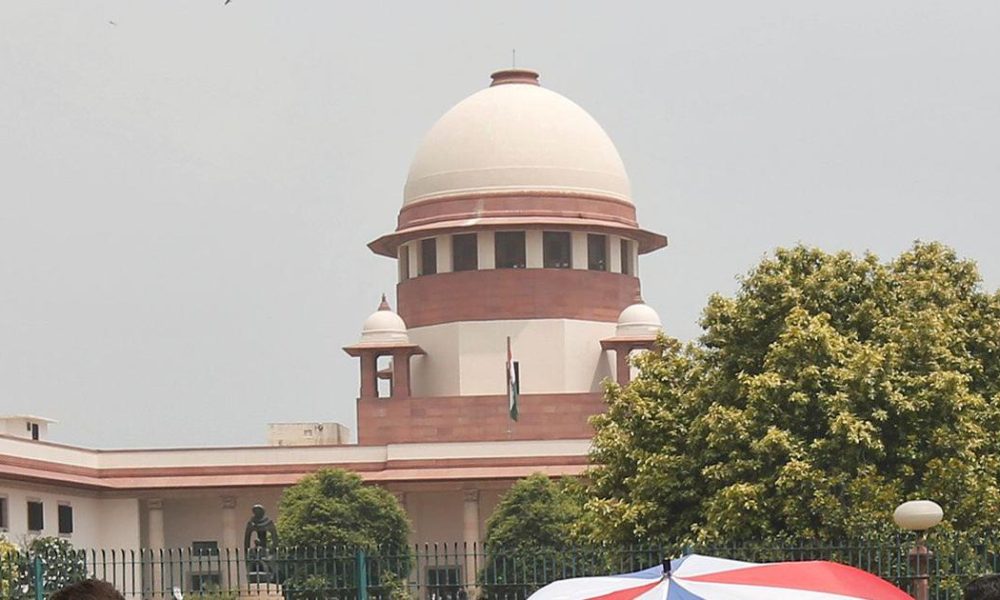
In a significant ruling, the Supreme Court has granted absolute protection from arrest to journalist Abhishek Upadhyay, who is embroiled in a road rage incident that he claims is an attempt to silence him over his investigative reporting on alleged corruption linked to the Ram temple in Ayodhya. This decision was made on Wednesday by a bench led by Chief Justice Surya Kant and Justice Joymalya Bagchi.
Upadhyay, who has become known for his courageous coverage of alleged financial misappropriations concerning donations received for the Ayodhya temple, received interim protection from coercive action earlier, which has now been made permanent. The court’s ruling comes as a relief to Upadhyay, who contends that the road rage allegations are a direct retaliation against his journalistic work.
As part of the proceedings, the Supreme Court also nullified a contentious notice that had been issued by the Uttar Pradesh Police to X, the social media platform formerly known as Twitter. This notice requested access to Upadhyay’s account data for a period of three months prior to the road rage event, occurring on August 18. Legal experts interpreted the police’s request as an attempt to uncover Upadhyay’s journalistic sources, raising alarms about press freedom and the protection of journalists in India.
During a previous court session on September 7, Upadhyay’s legal team highlighted the discrepancies in the police’s timeline, arguing that the request for account data dated back to June 1, even before the filing of the FIR for the alleged road rage. The defense firmly maintained that the investigation appeared to be a calculated move to undermine and intimidate the journalist.
In response to the case, the Attorney General representing the Uttar Pradesh government pointed to a medico-legal report which indicated injuries that warranted a thorough investigation. However, the court’s focus remained on the implications of the police’s actions on journalistic integrity. Justice Bagchi notably questioned why law enforcement would seek to delve into a journalist’s digital activities, emphasizing the importance of safeguarding sources and maintaining the independence of the press.
This ruling is viewed as a pivotal moment for press freedom in India, underscoring the judiciary’s role in protecting journalists against potential misuse of power by authorities. As debates around media freedom and accountability continue, Upadhyay’s case serves as a critical reminder of the challenges faced by journalists in the line of duty, particularly when reporting on sensitive issues like corruption and political affairs.
Source: scroll.in






No Comment! Be the first one.