

Exploring the Influence of Sarat Chandra Das on Bengali Literature through Saradindu Bandopadhyay
The literary tapestry of Bengali culture is intricately woven with threads of history, philosophy, and spirituality. An illuminating example of this integration can be seen in the works of Bengali...

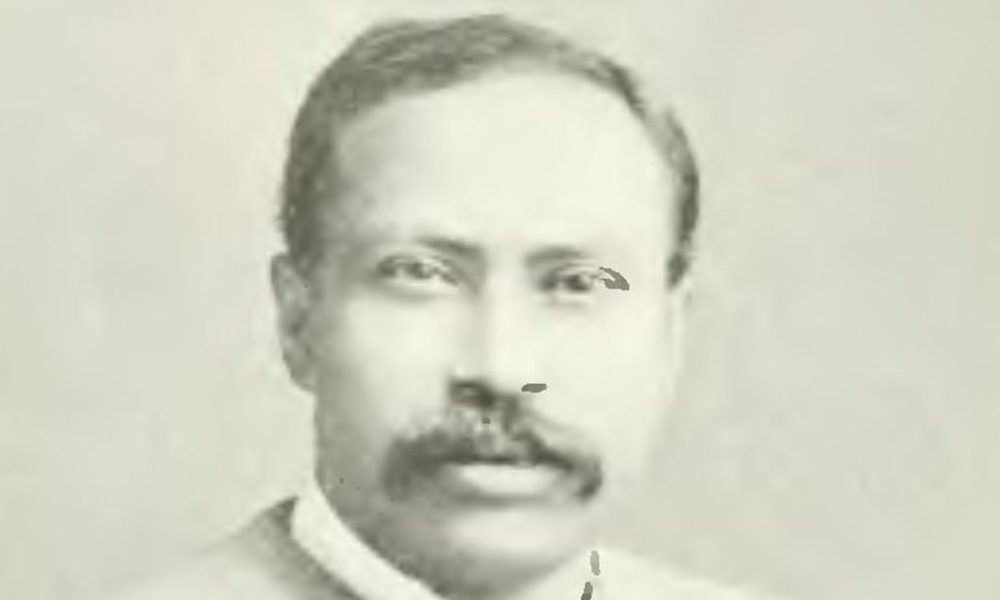
The literary tapestry of Bengali culture is intricately woven with threads of history, philosophy, and spirituality. An illuminating example of this integration can be seen in the works of Bengali writer Saradindu Bandopadhyay, who drew inspiration from the scholarly contributions of Sarat Chandra Das, a pivotal figure in the study of Tibetan Buddhism. Das’s pioneering research into the lives of Tantric Buddhist masters significantly impacted the narrative structure and thematic depth of Bandopadhyay’s novels.
In the inaugural article of the Journal of the Buddhist Text Society of India, titled “Indian Pandits in Tibet,” Sarat Chandra Das meticulously reconstructs the biographies of Indian Buddhist luminaries who played crucial roles in propagating Buddhism in Tibet. His focus on eminent figures from Bengal, including Atiśa, Kamalaśīla, and Śāntarakṣita, highlights the region’s historical significance in the Buddhist tradition. By translating and compiling these narratives from the fourteenth-century Tibetan work by the Sakya scholar Butön Rinchen Drub, Das provided a rich resource for future scholars and writers.
Das’s article not only laid the groundwork for a deeper understanding of the cultural exchanges between India and Tibet but also expanded into a comprehensive book titled “Indian Pandits in the Land of Snow,” published in 1893. Edited by his brother Nobin Chandra Das, the book further amplified the reach of these historical insights, making them accessible to a broader audience. This work served as a vital reference point for subsequent Bengali intellectuals, particularly Rakhaldas Bandyopadhyay, who sought to craft a regional history that would encapsulate Bengal’s Buddhist heritage.
Rakhaldas Bandyopadhyay, a noted student of Haraprasad Shastri, embarked on the ambitious project of documenting Bengali history through his two-volume work, “Bāngalār Itihās” (History of Bengal), published between 1914 and 1917. His efforts were characterized by a keen interest in the Buddhist past of Bengal, which he argued was essential to understanding the region’s identity. By incorporating Das’s research on figures like Atiśa into his narrative, Bandyopadhyay not only honored the scholarly tradition but also elevated the historical discourse surrounding Bengal’s cultural legacy.
The interconnection between Sarat Chandra Das’s scholarship and Saradindu Bandopadhyay’s literary endeavors illustrates the profound influence of historical scholarship on creative writing in Bengal. It serves as a reminder of the rich intellectual heritage that continues to inspire contemporary writers and scholars. By revisiting these historical narratives, modern readers can gain a deeper appreciation for the cultural and spiritual contributions of Bengal to the broader canvas of Indian history.
Source: scroll.in







No Comment! Be the first one.