

Nationwide Detentions Surge Ahead of Protest Against Chief Election Commissioner Gyanesh Kumar
In a significant buildup to the planned protest at Delhi’s Jantar Mantar on October 10, authorities across India have detained over 10,000 individuals, including students, farmers, and members...

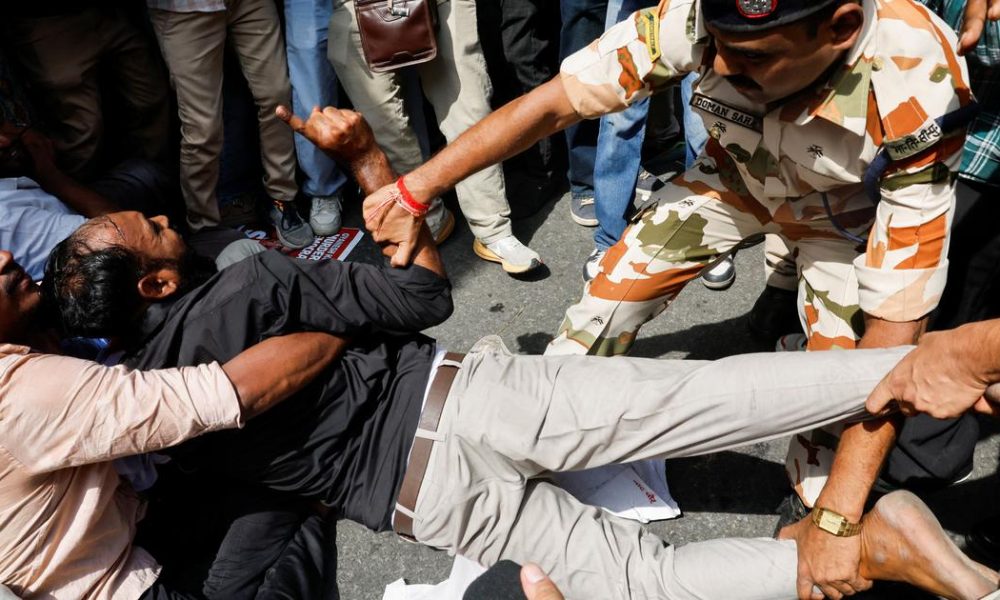
In a significant buildup to the planned protest at Delhi’s Jantar Mantar on October 10, authorities across India have detained over 10,000 individuals, including students, farmers, and members of Dalit organizations. This action, described by the Cockroach Janta Party (CJP) as a crackdown, has raised concerns about civil liberties and the right to peaceful assembly.
The protest, organized by the CJP along with various student unions and civil society groups, aims to demand the resignation of Chief Election Commissioner Gyanesh Kumar. The demonstrators allege serious irregularities in the recent special intensive revision of voter rolls, calling for the annulment of this exercise due to concerns over its legitimacy.
Since October 2, multiple protests have erupted in Delhi, led by leaders from the opposition alliance, known as the INDIA bloc, joined by students and activists. Participants express frustration with the electoral process and the perceived lack of transparency in the functioning of the Election Commission.
Amid the rising tensions, reports from Maharashtra indicate that prominent student leaders, including All India Students’ Federation (AISF) leader Shravani Bua, have been forcibly stopped from traveling to Delhi. Bua shared her experience via social media, stating that police intervened at Bhusawal railway station, preventing her and her colleagues from reaching the capital to join the protest. This has led to questions about police overreach and the legality of such preemptive detentions.
Witnesses have described a broader pattern of restrictions, with police allegedly attempting to thwart activists and ordinary citizens heading to the protests. Local residents have been warned against participating, raising alarms among civil rights advocates about the implications for democracy and freedom of expression in India.
The situation continues to develop, with civil society organizations urging citizens to stand firm against what they term as an assault on their democratic rights. As the protest date approaches, the atmosphere remains charged with anticipation and apprehension regarding the state’s response to dissent.
Source: scroll.in






No Comment! Be the first one.