

Indian Stock Market Plummets to 32-Month Low, Investors Face Massive Losses
The Indian stock market witnessed a significant decline on Thursday, dropping by 1.4% and reaching a low not seen in 32 months. This downturn has been largely attributed to tightening monetary...

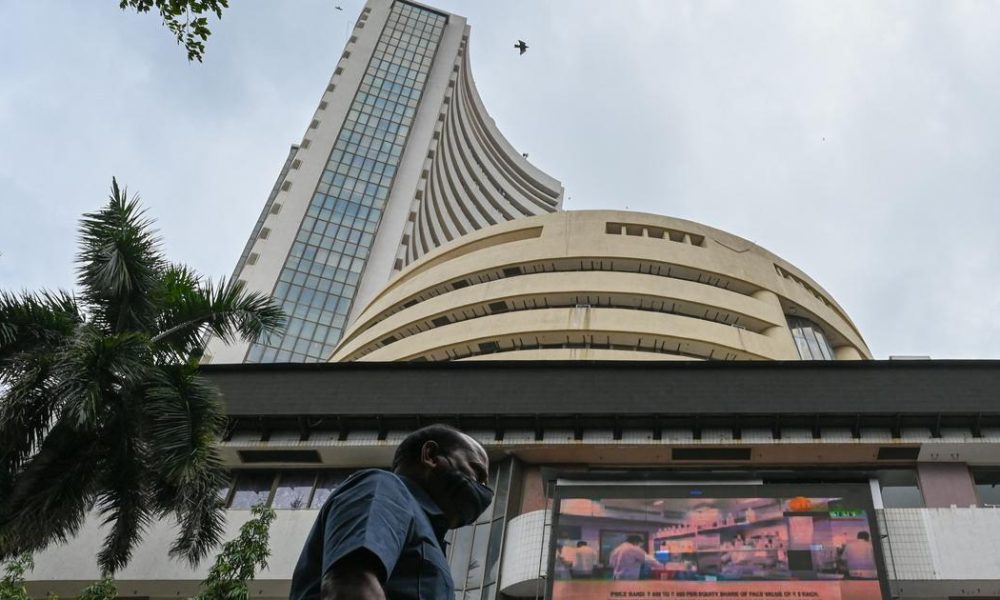
The Indian stock market witnessed a significant decline on Thursday, dropping by 1.4% and reaching a low not seen in 32 months. This downturn has been largely attributed to tightening monetary policies, escalating global oil prices, and a persistent outflow of foreign investments. The benchmark Sensex plunged by over 1,040 points, closing just below the 71,600 mark, down from the 75,000 it reached merely a month ago. Similarly, the Nifty 50 index fell by 371 points, settling at an 18-month low of 22,200.
On this tumultuous day, investors collectively endured losses exceeding Rs 10 lakh crore. The market’s volatility was underscored by the India VIX index, which surged by 10%, reflecting heightened investor anxiety. Foreign investors have been retreating from the Indian markets, having sold securities worth $4.8 billion over just the past nine days. This trend has contributed to a record net outflow of $30.4 billion for the year, as reported by Reuters.
The recent downturn was exacerbated by the Reserve Bank of India’s (RBI) decision to raise the repo rate by 25 basis points to 5.5%. This marks the first increase in the central bank’s lending rate in nearly four years. Following the announcement, the stock market experienced an immediate dip of more than half a percent on Wednesday. The repo rate is a crucial interest rate at which the RBI lends to commercial banks, influencing overall lending rates in the economy.
Central banks typically implement rate hikes to combat inflationary pressures. Higher lending rates lead to increased interest costs on loans from commercial banks, which in turn curtails discretionary spending by consumers. This strategy is aimed at stabilizing prices amid rising inflation, which has been a growing concern in recent months.
As global oil prices continue to climb, the situation remains precarious for investors and the broader economy. The combination of high inflation, a weakening stock market, and doubts about foreign investment could pose significant challenges ahead. Analysts urge investors to remain cautious as the market navigates these turbulent waters, emphasizing the need for a careful assessment of risk and opportunities in the current economic climate.
Source: scroll.in







No Comment! Be the first one.