

Exploring the Maritime Legacy: How Indian Merchants Overcame Caste and Faith in Trade
The rich history of maritime trade in the Indian subcontinent reveals an intricate tapestry of merchants who transcended traditional boundaries of caste and religion. These communities, operating...

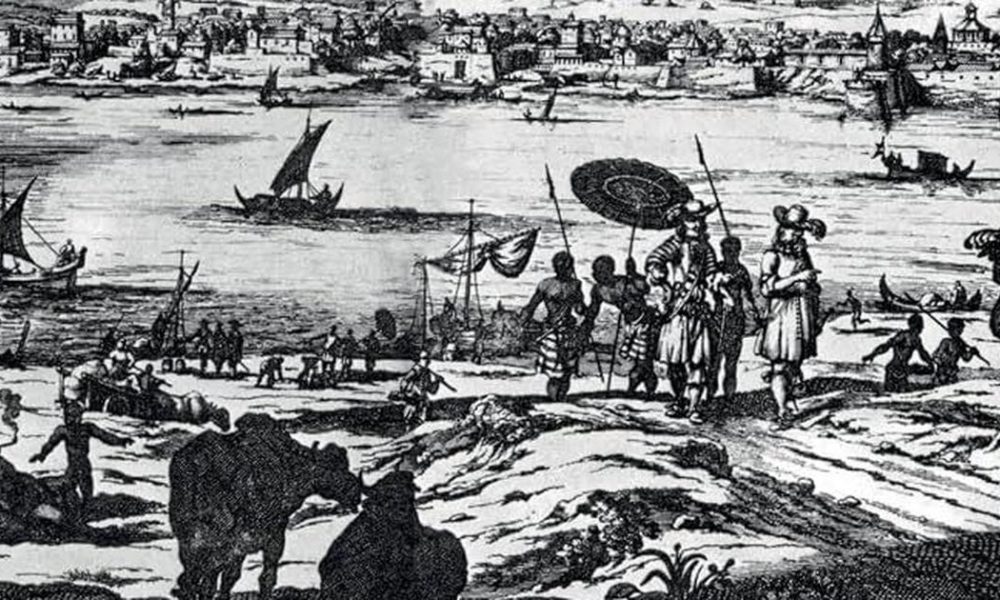
The rich history of maritime trade in the Indian subcontinent reveals an intricate tapestry of merchants who transcended traditional boundaries of caste and religion. These communities, operating between the 11th and 16th centuries, engaged in expansive oceanic commerce, demonstrating that trade was not merely a means of economic activity but also a bridge connecting diverse cultures and identities.
Historically, major merchant groups such as the Banias, Lohanas, Klings, and Chulias are often categorized by their religious and regional affiliations. However, this simplistic classification fails to capture the complex, interconnected networks that existed among these traders. For instance, the Banias, initially composed of Buddhists and Jains, evolved to include Hindus and Muslims, showcasing the fluidity of identity that marked their mercantile pursuits.
In the bustling maritime centers of Gujarat, such as the Maitraka kingdom of Vallabhi, the competition among Jain and Buddhist merchants was fierce. These groups not only vied for market dominance but also shaped the political landscape through their economic endeavors. The dynamics of their interactions illustrate how trade was a vital force in the development of regional economies, creating an environment where cooperation and rivalry coexisted. As Buddhist merchants from Bharuch challenged their Jain counterparts in Vallabhi, the nuances of their relationships became integral to understanding the larger picture of maritime commerce.
Moreover, beyond Gujarat, the influence of these merchant communities extended across the Indian Ocean, impacting trade routes that reached as far as Southeast Asia. The Klings and Chulias, for example, are notable for their extensive networks that defied religious and regional confines. Their ability to connect with various cultures facilitated the exchange of not just goods but also ideas and practices, enriching the heritage of the entire region.
This historical perspective on maritime trade underscores the importance of recognizing the shared experiences of these communities. The cooperative spirit that thrived among merchants, regardless of their caste or faith, offers a powerful testament to the potential for unity in diversity—an ethos that remains relevant in contemporary India.
Source: scroll.in







No Comment! Be the first one.