

Punjab’s Rising De-Addiction Pill Supply: A Mixed Blessing for Prisoners?
In a bid to combat the rampant drug abuse problem in Punjab, the state government initiated a novel therapeutic approach back in 2017. This method aimed to assist individuals grappling with opioid...

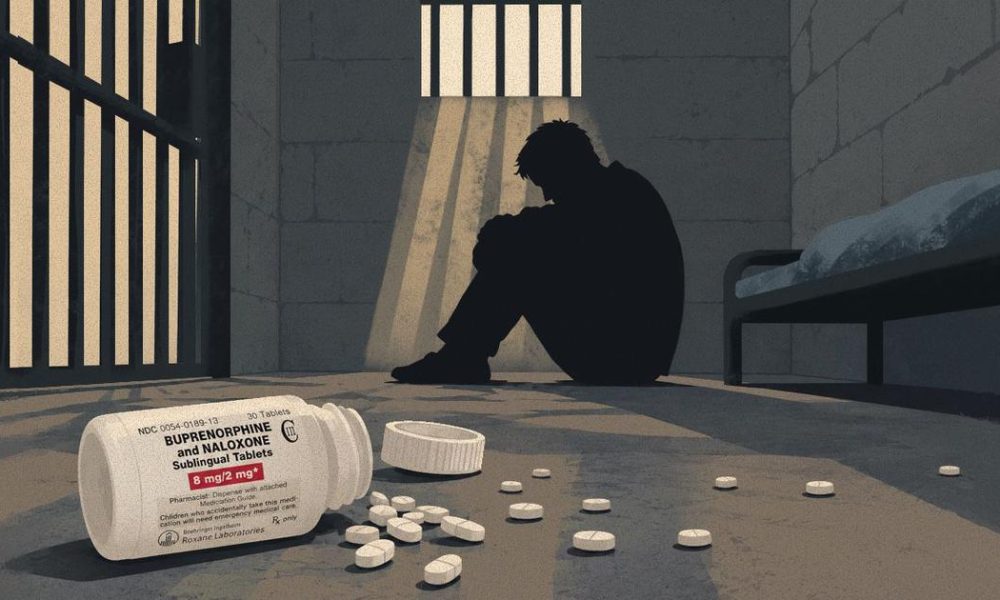
In a bid to combat the rampant drug abuse problem in Punjab, the state government initiated a novel therapeutic approach back in 2017. This method aimed to assist individuals grappling with opioid dependency—particularly those afflicted by heroin addiction, commonly referred to as ‘chitta’—by administering a controlled combination of less potent opioids. The regimen predominantly includes buprenorphine and naloxone, which are intended for oral consumption under professional medical supervision.
A psychiatrist working within Punjab’s central prison system highlighted the benefits of this treatment. He noted that the therapy significantly mitigates the risks associated with intravenous drug use, which can lead to infections such as HIV and hepatitis, and is associated with a stark reduction in the likelihood of fatal overdoses. Despite these positive aspects, the long-term effectiveness of this approach has come under scrutiny. Reports indicate that about 80-90% of patients who complete the treatment at state-run Outpatient Opioid Assisted Treatment clinics relapse into addiction, according to a recent update from the Punjab government to the Assembly.
Interestingly, there has been a notable increase in the distribution of buprenorphine pills within the state’s prisons over the past four years. Concurrently, the number of inmates enrolled in de-addiction programs has reportedly doubled. These statistics, however, raise significant questions about the efficacy and management of such treatments in correctional settings. Critics are beginning to wonder whether this surge in de-addiction pill supply is genuinely a positive sign or a symptom of a more complex issue.
The Punjab and Haryana High Court has expressed skepticism regarding the situation. It recently called upon the state government to elucidate the circumstances surrounding the dramatic rise in both the availability of de-addiction medications in prisons and the increasing number of inmates seeking treatment. The court’s inquiry underscores a broader concern regarding the management of drug rehabilitation efforts within the penal system.
As Punjab grapples with its ongoing battle against drug abuse, the rising trend of de-addiction pills in prisons presents a double-edged sword. While it may offer a temporary respite for some, the high relapse rates signal an urgent need for a comprehensive reevaluation of the strategies employed to combat addiction. Policymakers and health professionals must now consider how to better support recovering addicts, ensuring that rehabilitation efforts lead to lasting recovery rather than mere temporary solutions.
Source: scroll.in







No Comment! Be the first one.