

Henri Kagan and Kenso Soai Honored with Chemistry Nobel for Breakthroughs in Molecular Asymmetry
In a significant milestone for the field of chemistry, the Nobel Prize in Chemistry has been awarded to Henri Kagan and Kenso Soai for their groundbreaking research into mirror-image molecules. This...

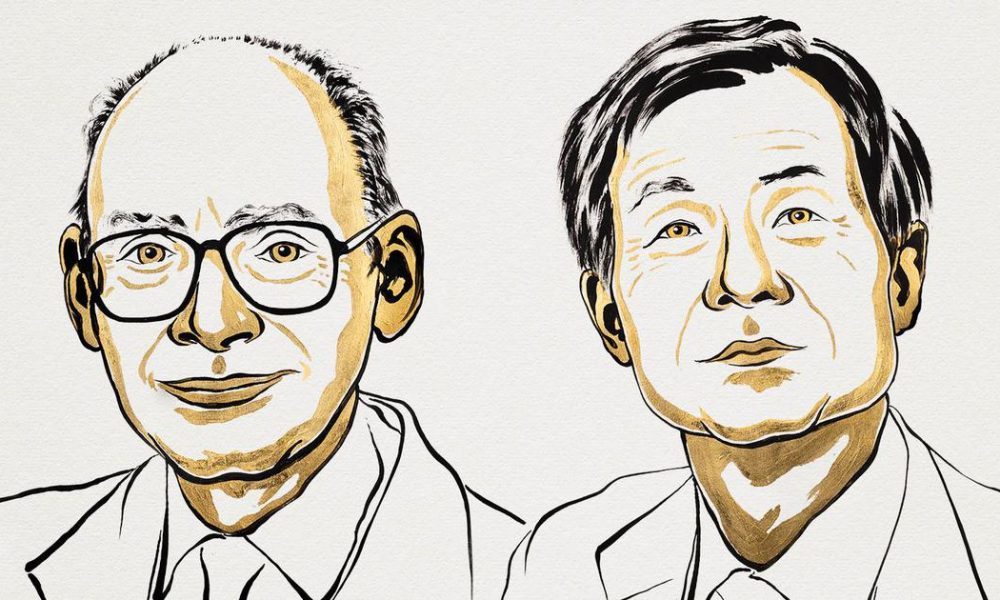
In a significant milestone for the field of chemistry, the Nobel Prize in Chemistry has been awarded to Henri Kagan and Kenso Soai for their groundbreaking research into mirror-image molecules. This prestigious recognition, announced on Wednesday, underscores the importance of their work in advancing pharmaceutical development, particularly in the context of asymmetric organic synthesis.
Henri Kagan, a 95-year-old French professor at the Université Paris-Sud, and Kenso Soai, a 76-year-old professor at Tokyo University of Science, have made pivotal contributions to understanding the complex nature of molecular asymmetry. The Royal Swedish Academy of Sciences highlighted their joint discovery of “non-linear effects and autocatalysis in asymmetric organic synthesis,” which has provided crucial insights into how certain molecules, including amino acids, exist in two forms that are mirror images of each other. Notably, these mirror image forms are not interchangeable in biological systems, as living organisms utilize only one variant.
This research addresses a longstanding enigma in chemistry regarding the origins of chemical asymmetry, a phenomenon that has puzzled scientists for years. Kagan and Soai’s findings not only shed light on this mystery but also have significant practical implications for the pharmaceutical industry. By facilitating the design of chemical reactions, their work equips chemists with the tools necessary to synthesize more efficient and effective drugs, thereby enhancing therapeutic outcomes.
The prize money of 12 million Swedish kronor, approximately Rs 11.5 crore, will be shared equally between the two laureates. This announcement is part of a series of Nobel Prize revelations this week, with literature and peace prizes set to be declared shortly, followed by the economics prize on October 12. Earlier this week, the Nobel Prize in medicine was awarded to Peter Hegemann, Georg Nagel, and Karl Deisseroth for their pioneering research in the field.
The recognition of Kagan and Soai not only celebrates their individual achievements but also emphasizes the critical role that basic scientific research plays in addressing real-world challenges. As India continues to expand its footprint in science and technology, the contributions of such pioneering work resonate with Indian researchers and the broader global scientific community, inspiring future generations to delve deeper into the mysteries of chemistry.
Source: scroll.in







No Comment! Be the first one.