

Measles Outbreak in Bangladesh: A Stark Reminder of the Importance of Vaccination
A devastating measles outbreak in Bangladesh has reportedly claimed the lives of nearly 900 individuals since its onset in March, predominantly affecting children. This alarming situation underscores...

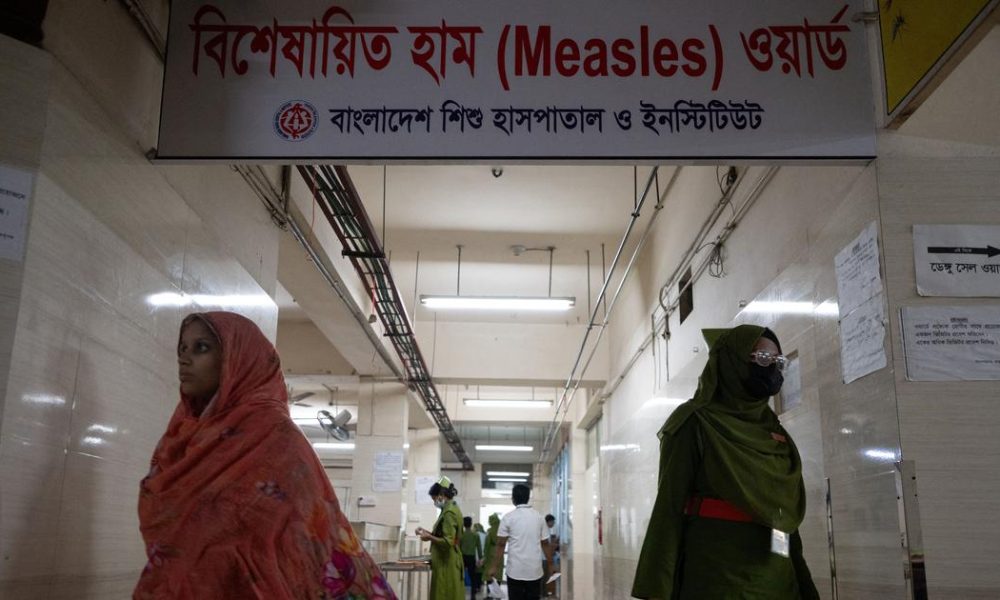
A devastating measles outbreak in Bangladesh has reportedly claimed the lives of nearly 900 individuals since its onset in March, predominantly affecting children. This alarming situation underscores the critical importance of vaccination, especially in a country striving to eradicate measles and rubella.
Measles is known as one of the most contagious viruses, and its rapid spread is often linked to declining vaccination rates. The recent outbreak in Bangladesh serves as a stark illustration of how lapses in immunization can escalate into a severe public health crisis. The nation had set a target to eliminate measles and rubella by 2020; however, the COVID-19 pandemic disrupted routine immunization schedules, leaving many children without necessary vaccinations.
The consequences of this disruption are now evident, with an alarming statistic indicating that vaccination coverage has dropped to a mere 87%. Vaccine hesitancy has also played a significant role in the current crisis. During the height of the COVID pandemic, a substantial portion of Bangladesh’s population expressed reluctance towards vaccinations, which likely extended to the measles and rubella vaccines as well. Many parents are hesitant or outright refuse to vaccinate their children, further exacerbating the vulnerability to these preventable diseases.
Socioeconomic factors also contribute to the challenges in vaccination coverage. Issues such as poverty, educational disparities, and the frequency with which mothers attend antenatal check-ups significantly influence whether children receive their vaccinations. Communities that lack access to healthcare resources see a higher prevalence of unvaccinated children, creating pockets of vulnerability that can lead to outbreaks.
From March 15 to September 6, the Bangladeshi health authorities recorded 92 suspected measles cases per 100,000 population and 11 confirmed cases per 100,000. This rising trend should serve as a wake-up call for other nations where vaccination rates are declining, particularly in South Asia, where similar conditions could foster outbreaks. As the world grapples with the aftermath of the pandemic, the lessons learned from Bangladesh highlight the urgent need to prioritize childhood vaccinations and combat misinformation surrounding them.
Source: scroll.in







No Comment! Be the first one.