

Supreme Court Clarifies Controversy Surrounding Election Commission’s Form 6 for New Voters
The recent legal dispute regarding Form 6, the application new voters must fill out to register on the electoral roll, has garnered significant attention, particularly after a key ruling from the...

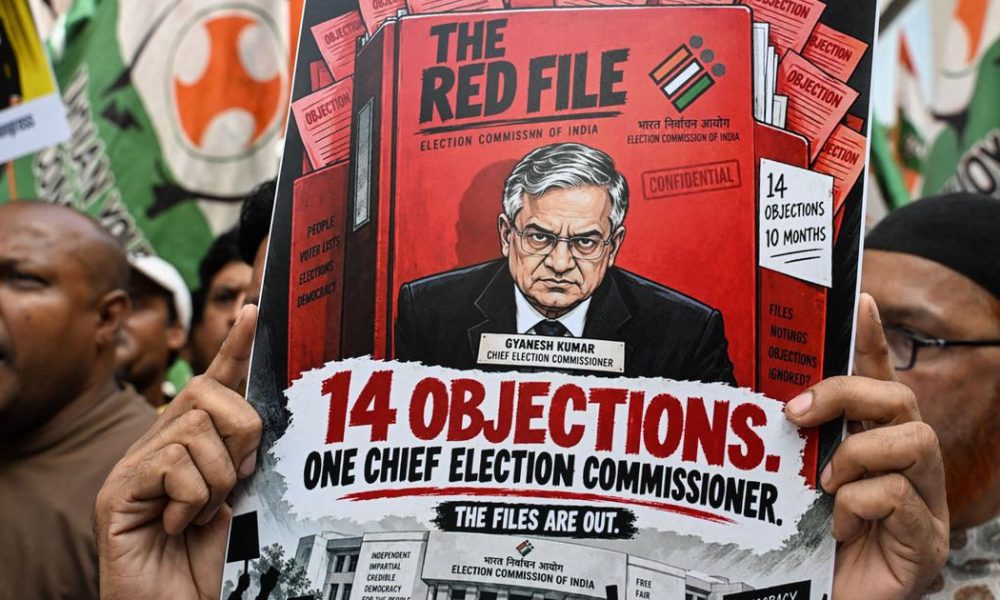
The recent legal dispute regarding Form 6, the application new voters must fill out to register on the electoral roll, has garnered significant attention, particularly after a key ruling from the Supreme Court of India. Chief Justice Surya Kant clarified in court proceedings on Monday that the judiciary had not sanctioned any altered versions of Form 6, which has become central to ongoing debates about electoral processes.
This legal controversy stems from petitions that call for the suspension of Chief Election Commissioner Gyanesh Kumar. The petitions allege that Kumar has made unilateral decisions concerning the procedures for the Special Intensive Revision (SIR) of electoral rolls, which is currently being implemented nationwide. The Election Commission had previously claimed, in a statement released on September 26, that a declaration connected to Form 6 during the SIR process had been validated by the Supreme Court.
The issue traces back to June 2025 when the SIR commenced in Bihar. At that time, the Election Commission introduced an additional document, termed Annexure D, to accompany Form 6. This annexure required applicants to provide details about their age, residency, citizenship, and other supporting documentation. Critics of this move have argued that the Election Commission exceeded its authority in enforcing such requirements, leading to legal challenges that reached the Supreme Court.
In a verdict delivered on May 27, the Supreme Court recognized the Election Commission’s right to carry out the SIR, affirming its power to develop a documentation strategy that is fitting for the registration process, but within certain constraints. This ruling has had significant implications for how new voters are registered in India, placing a spotlight on the balance between ensuring electoral integrity and protecting the rights of citizens.
The ongoing debates surrounding Form 6 and the attached declarations reflect broader concerns about electoral governance in India. As new voters seek to engage in the democratic process, the clarity and fairness of the registration procedure remain paramount. The legal tussles also underscore the importance of transparency in electoral processes, as stakeholders from various political backgrounds closely monitor developments.
Source: scroll.in







No Comment! Be the first one.