

Supreme Court Suspends Death Sentence of Convict in 2008 Ahmedabad Bombings
In a significant development, the Supreme Court of India has temporarily stayed the death sentence of Ahmed Bawa Abbu Abubakar Barelvi, one of the 38 individuals convicted in the notorious 2008...

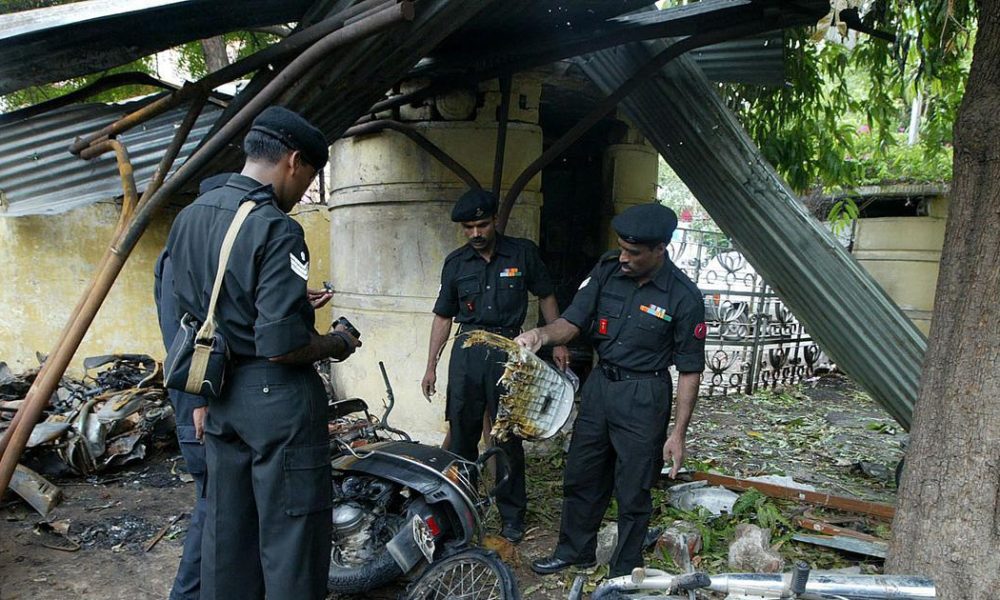
In a significant development, the Supreme Court of India has temporarily stayed the death sentence of Ahmed Bawa Abbu Abubakar Barelvi, one of the 38 individuals convicted in the notorious 2008 Ahmedabad serial bomb blasts case. This ruling was made by a bench that listened to Barelvi’s petition, which contested the Gujarat High Court’s decision from July 7, 2023, that upheld the death sentences for the majority of those convicted.
During the proceedings, Barelvi’s lawyer argued that his client’s conviction was primarily based on allegations of conspiracy, highlighting concerns over the evidentiary basis for the verdict. The Supreme Court has sought a response from the Gujarat government regarding Barelvi’s petition, indicating that it will examine the case further before delivering a conclusive judgment.
The July 2008 attacks were a brutal reminder of the threat posed by terrorism in India, with 22 explosions occurring across Ahmedabad on July 26, leading to the tragic loss of 56 lives and leaving over 200 others injured. A special court convicted 49 individuals in connection with this case, with 38 receiving the death penalty, while the remaining were sentenced to life imprisonment. Additionally, 28 individuals were acquitted, and one turned approver for the prosecution, shedding light on the complex web of involvement in these heinous acts.
The blasts targeted various locations, including a municipal hospital, public transportation, and parked vehicles, instilling fear throughout the city. The authorities attributed the bombings to operatives linked to the banned militant organization, Indian Mujahideen, which has been involved in numerous terror activities across India.
As the legal battle continues, this case poses significant questions about the administration of justice in the context of terrorism in India. The Supreme Court’s decision to stay the execution signals the importance of thorough legal scrutiny in such high-stakes cases, reflecting the balance between justice for the victims and the rights of the accused. The forthcoming response from the Gujarat government will be crucial in shaping the future of this landmark case, as the court navigates the delicate interplay between law, justice, and public safety.
Source: scroll.in







No Comment! Be the first one.