

Drought Impacts Ragi Cultivation in Karnataka as Farmers Adapt to Changing Conditions
In the drought-stricken regions of Karnataka, farmers are facing a significant challenge as traditional crops like ragi fail to thrive. Shiva Shekhar, a 40-year-old farmer from Padavalapatna village...

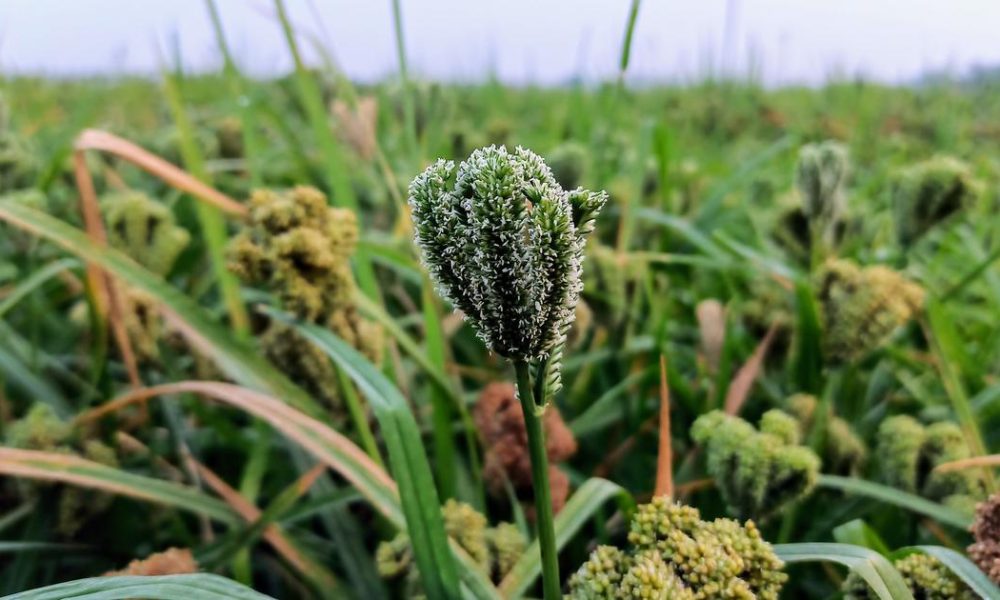
In the drought-stricken regions of Karnataka, farmers are facing a significant challenge as traditional crops like ragi fail to thrive. Shiva Shekhar, a 40-year-old farmer from Padavalapatna village in the Mandya district, shared his plight, stating that he was unable to sow ragi this kharif season due to the lack of rainfall. Instead, he opted for cowpea, a crop known for its resilience in dry conditions. This shift highlights the difficulty faced by farmers as they navigate the consequences of climate variability.
Karnataka has long held the title of the largest producer of ragi in India, contributing 1.47 million tonnes to the national production of 2 million tonnes in 2025-’26, according to estimates from the Department of Agriculture and Farmers Welfare. The state is responsible for approximately 73% of the total ragi cultivation area in the country, spanning 979,000 hectares. Within Karnataka, Mandya district stands out for its significant contribution, covering about 53,300 hectares of ragi cultivation.
Despite national figures indicating that ragi sowing has kept pace with previous years, the situation in Mandya tells a different story. Data provided by Jayaswamy, the joint director of agriculture for the district, reveals that only 1,213 hectares (about 1.91%) of the target area of 63,385 hectares had been planted with ragi by September 11. This stark contrast underscores the impact of the ongoing drought conditions in the region.
On a broader scale, Karnataka has experienced an overall decline of 1.5 million hectares in kharif sowing areas compared to the previous year, with significant reductions observed across various crops, particularly paddy and coarse cereals, including millet. As farmers like Shekhar adapt their planting strategies to cope with increasingly erratic weather patterns, the long-term implications for food security and agricultural sustainability in Karnataka are becoming more pronounced.
As the kharif season progresses, the agricultural community is left grappling with the consequences of climate change and inadequate rainfall. The resilience of farmers is being tested, and their ability to adapt will be crucial in determining the future of crop production in one of India’s most vital agricultural states.
Source: scroll.in





No Comment! Be the first one.