

Bhausaheb Kinikar: A Tale of Identity and Rejection in the Mahar Community
Bhausaheb Kinikar found himself lost in thought as he gazed at the flickering candles adorning a birthday cake. His children, Savita and Siddharth, were bustling about, preparing for a celebration...

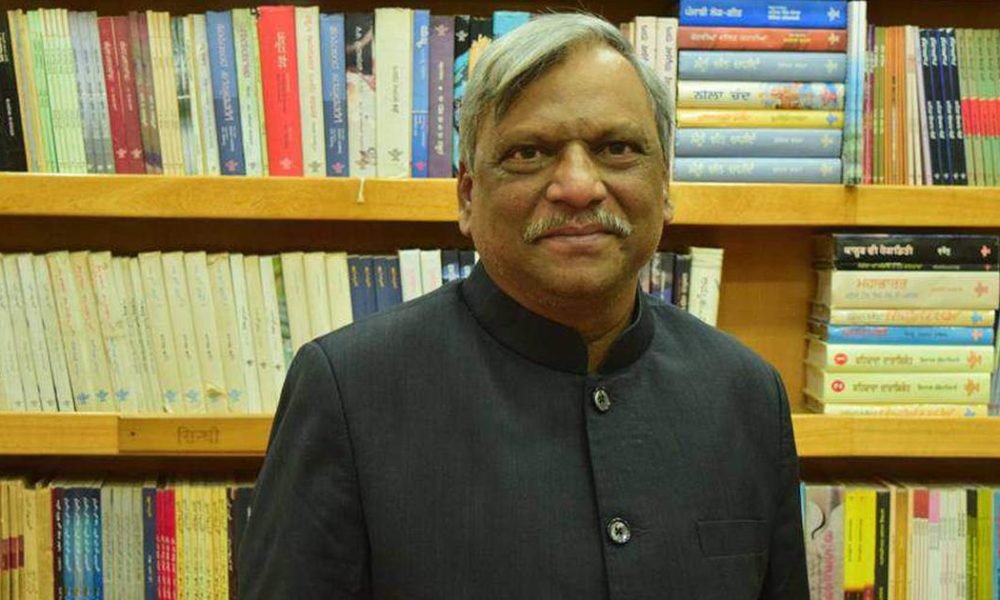
Bhausaheb Kinikar found himself lost in thought as he gazed at the flickering candles adorning a birthday cake. His children, Savita and Siddharth, were bustling about, preparing for a celebration that held joyful anticipation. Yet, amid the festive atmosphere, Kinikar’s mind drifted back to memories that were far from celebratory. His facial features, rugged yet appealing, reflected a man shaped by both time and struggle.
Kinikar’s journey began with his original surname, ‘Kamble,’ a name that carried with it the weight of caste discrimination. Associated with the Mahar community, the surname Kamble marked its bearers with a stigma that many would rather escape. For Kinikar, this identity was a constant reminder of the societal prejudice directed towards those labeled as ‘untouchables.’ In an effort to shed this painful caste association, he rebranded himself as ‘Kinikar,’ a name derived from his village, Kini. This change was not merely superficial; it symbolized his desire to rise above the confines of his past.
However, Kinikar’s transformation was met with scrutiny. Although he felt empowered by his new identity, the reality of social perceptions remained. The community seemed reluctant to accept him fully; the invisible barriers of caste continued to isolate him. Despite his pride in being recognized as Kinikar, the stigma attached to his former identity lingered, leading to a complex relationship with his own heritage.
The struggle of Kinikar mirrors a broader narrative within Indian society, where individuals often wrestle with their caste identities. Many, like Kinikar, seek to transcend traditional boundaries, yet they are often met with resistance from their own communities. This tension highlights the ongoing challenges faced by those who attempt to redefine themselves in a society still heavily influenced by caste hierarchies.
As Kinikar sat contemplating his journey, surrounded by the warm glow of candles, he pondered the duality of his existence. On one hand, he celebrated a personal victory over societal labels. On the other, he faced rejection from the very community he sought to distance himself from. This poignant dichotomy encapsulates the essence of an identity struggle that resonates with many across India today, reminding us that the quest for acceptance and recognition is an ongoing battle.
Source: scroll.in






No Comment! Be the first one.