

Rahul Gandhi Urges Modi to Withdraw Charges on UPI Transactions Amid Controversy
In a pointed critique of the Union government, Congress leader Rahul Gandhi has called on Prime Minister Narendra Modi to reverse the recently imposed charges on Unified Payments Interface (UPI)...

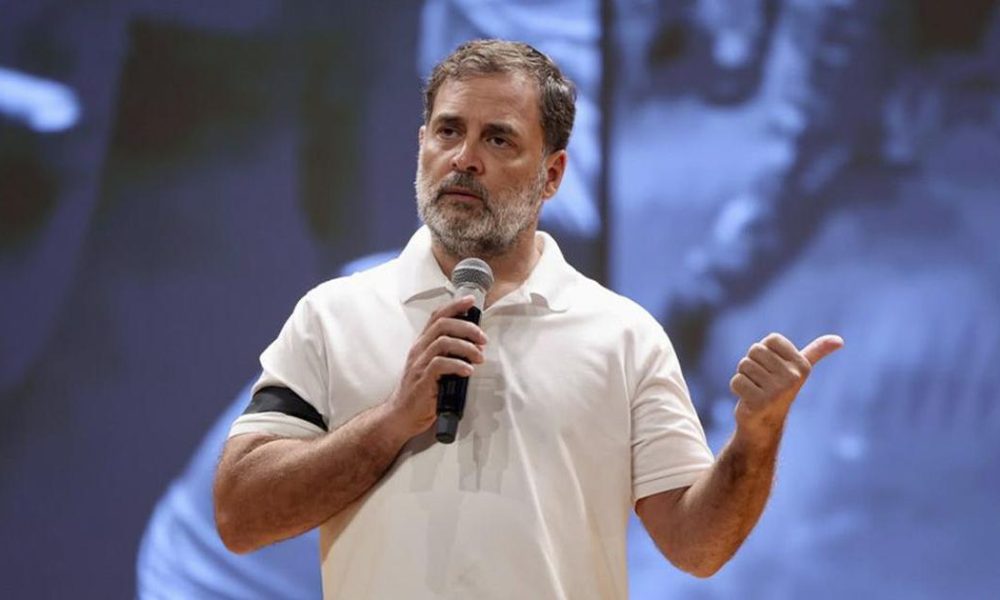
In a pointed critique of the Union government, Congress leader Rahul Gandhi has called on Prime Minister Narendra Modi to reverse the recently imposed charges on Unified Payments Interface (UPI) transactions. During a press briefing on Wednesday, Gandhi urged Modi to “have a spine” and stand up against external pressures, particularly from the United States, amid allegations that the Prime Minister is prioritizing foreign interests over Indian consumers.
The backdrop to Gandhi’s remarks lies in the government’s announcement earlier this week that UPI transactions exceeding Rs 2,000 will incur a merchant discount rate (MDR) of 0.4%. This fee, which is a charge imposed on merchants by banks to facilitate transaction processing, marks a significant shift in the previously zero-cost UPI model. In contrast, credit card payments can attract fees ranging from 1% to 3%, while debit card transactions may incur charges up to 0.9%.
Gandhi’s comments were echoed by Congress MP Jairam Ramesh, who raised concerns about the implications of this new fee structure. Ramesh suggested that the move could be a strategic concession to US card companies, potentially jeopardizing the competitive edge that UPI has established in the Indian market. Earlier this year, U.S. trade representatives criticized the no-cost UPI model for undermining major credit card firms like Visa and Mastercard, leading to speculation about the government’s motivations behind the fee introduction.
In a direct appeal to the Prime Minister via social media, Gandhi stated, “Modi ji, roll back the UPI tax. Now,” highlighting the urgency he feels regarding this issue. The introduction of the MDR has sparked a heated debate about the future of digital payments in India, with many questioning how it will impact everyday consumers and small businesses that rely on UPI for transactions. Some critics have also raised concerns about the transparency and accountability of the government’s decision-making process, particularly in light of foreign influences.
As the discussion continues, the Modi administration faces mounting pressure to clarify the rationale behind this policy change. With the digital payment landscape rapidly evolving in India, the potential consequences of these charges could significantly affect consumer behavior and the competitive landscape for payment platforms. Observers will be keen to see how the government responds to the backlash and whether further adjustments to the UPI framework will be made in light of public sentiment.
Source: scroll.in





No Comment! Be the first one.