

Government Ensures No Fees on UPI Transactions Under ₹2,000 and RuPay Debit Card Payments
In a significant move to protect digital payment users, the Union government announced on Monday that banks and payment service providers will not be allowed to impose charges on Unified Payments...

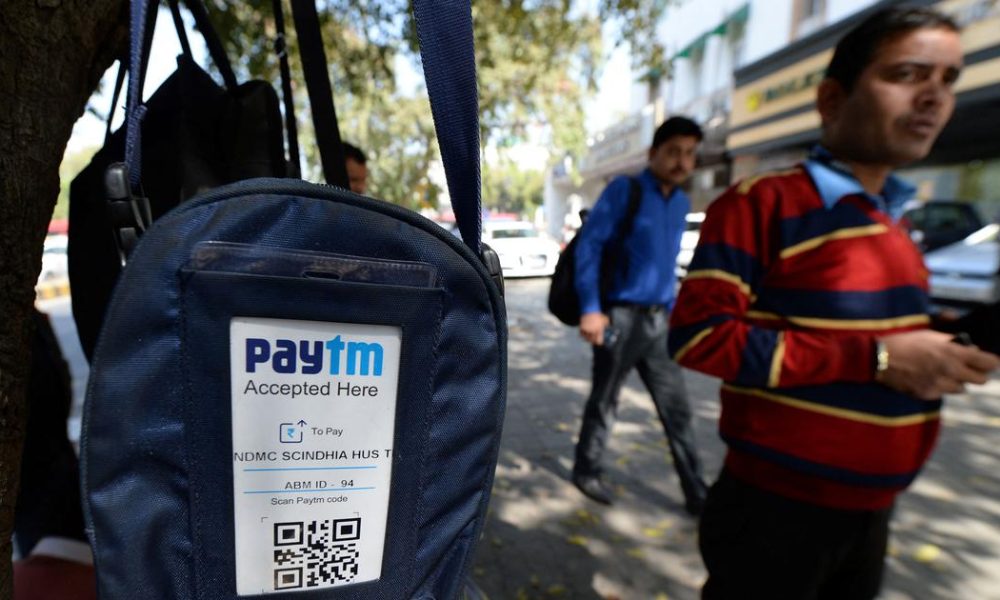
In a significant move to protect digital payment users, the Union government announced on Monday that banks and payment service providers will not be allowed to impose charges on Unified Payments Interface (UPI) transactions under ₹2,000, as well as on payments made using RuPay debit cards. This announcement comes as part of a notification released by the Ministry of Finance under Section 10A of the Payment and Settlement Systems Act, 2007.
According to a report by The Indian Express, transactions exceeding ₹2,000 accounted for only 4% of the person-to-merchant UPI payments in the fiscal year 2025-’26. However, this small percentage represented a staggering two-thirds of the overall value of these transactions, indicating the heavy reliance on high-value payments for merchants.
This decision follows the passage of the 2026 Taxation and Other Laws Amendment Bill in August, which initially raised concerns that banks might start levying fees on UPI and RuPay debit card transactions. Such fees, known as the Merchant Discount Rate (MDR), are typically charged to businesses for processing payments and can range between 1% to 3% for credit card transactions and up to 0.9% for debit transactions. With merchants likely to pass these costs onto consumers, the prospect of additional fees worried many.
In light of these developments, the finance ministry later reassured consumers that their UPI transactions would remain free of any charges. Furthermore, it confirmed that all person-to-person UPI transactions would also continue to be exempt from fees. This clarification aims to alleviate concerns among users who have embraced digital payments as a convenient and cost-effective method for transactions.
Digital payments have gained immense popularity in India, particularly after the COVID-19 pandemic accelerated the shift towards cashless transactions. With UPI becoming a cornerstone of this digital economy, the government’s decision to maintain fee-free transactions is seen as a move to encourage further adoption while safeguarding consumer interests amidst evolving regulatory frameworks.
Source: scroll.in






No Comment! Be the first one.