

Colonial India and Smallpox: A Challenge to Britain’s Perceived Superiority
The colonial narrative often portrayed Britain as a bastion of control and civilization, yet the outbreak of smallpox in India revealed cracks in this facade. Throughout the 19th century, British...

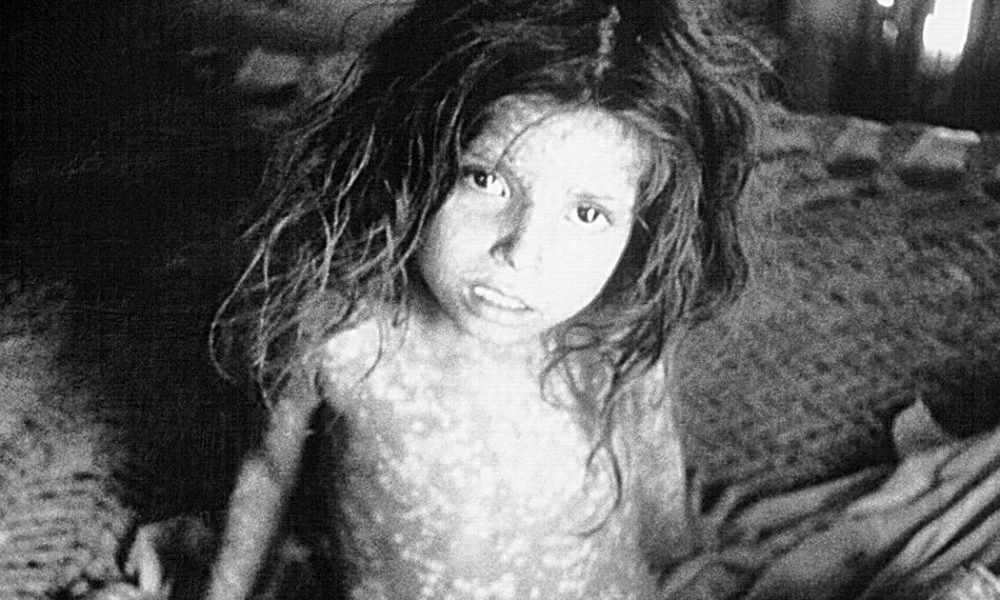
The colonial narrative often portrayed Britain as a bastion of control and civilization, yet the outbreak of smallpox in India revealed cracks in this facade. Throughout the 19th century, British reports on infectious diseases were heavily influenced by a prevailing fear of contagion. The tropical climate of India was frequently cited as a breeding ground for diseases, with discussions centered around the dangers of ‘miasmatic emanation’—the theory that diseases were spread through foul air.
As colonial administrators sought to improve sanitary conditions in an attempt to mitigate the spread of diseases, their efforts reflected the mid-19th century hygiene movement that had taken root in Europe. This initiative, however, was often marred by a growing anxiety about the so-called ‘miasmatic towns’ of India, which were perceived as unclean and hazardous. Poverty was highlighted as a significant contributor to the prevalence of smallpox, with socio-economic status becoming a focal point in discussions surrounding the disease.
Despite the British attempts to link smallpox to the ‘filthy habits’ of the Indian populace, the reality proved more complex. Unlike cholera or plague, which were often associated with densely populated slums, smallpox did not discriminate based on race or class. It spread rapidly through both urban centers and rural villages, highlighting the limitations of British assumptions about contagion. The epidemic’s indiscriminate nature underscored the inadequacies of colonial health policies and their misconceptions about Indian society.
Administrative documents from that time often criticized the indigenous population for their perceived lack of hygiene, depicting them as ignorant and superstitious. Such portrayals were not just misguided; they were also a reflection of the colonial mindset that sought to portray British rule as a civilizing force. In blaming the local communities for their plight, colonial administrators avoided confronting the shortcomings of their own health interventions and the socio-economic realities that fueled disease transmission.
This episode in colonial history serves as a poignant reminder of the fragility of British claims to superiority. The smallpox epidemic challenged the narratives of control and invincibility that were foundational to the British Empire. In many ways, it exposed the reality that health crises transcend social, cultural, and racial boundaries, leading to a broader understanding of public health that is still relevant today.
Source: scroll.in







No Comment! Be the first one.