

Ethanol Fuel Initiative: Economic Burden on India’s Most Vulnerable
In recent discussions surrounding India’s growing ethanol fuel initiative, a troubling narrative has emerged: the country’s most disadvantaged populations may bear the brunt of this shift. The...

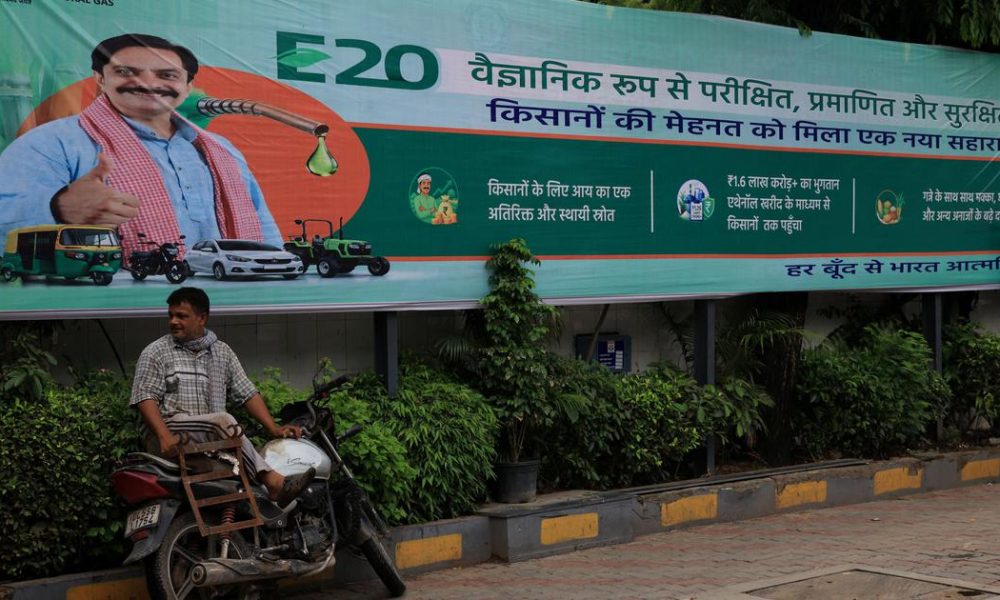
In recent discussions surrounding India’s growing ethanol fuel initiative, a troubling narrative has emerged: the country’s most disadvantaged populations may bear the brunt of this shift. The conversation about ethanol production has long been a contentious one, particularly when considering its economic implications and environmental costs.
The push for ethanol as a viable fuel alternative is primarily driven by a desire for energy independence and reduced carbon emissions. However, the production of ethanol is not without its complexities. It requires significant resources, including land, water, and energy, which could otherwise be utilized for food production. As policymakers advocate for expanding ethanol usage, the essential question arises: who pays the price for this transition?
Historically, the debate around the energetics of agricultural practices has been highlighted by various scholars, including political ecologist Joan Martinez Alier. He emphasized how the ecological costs of food production often go unaccounted for in economic models. When we examine ethanol, a biofuel derived mainly from crops such as sugarcane and corn, it becomes clear that its production may come at a higher cost for those already in precarious economic situations.
For the poorest in India, who often live paycheck to paycheck, the transition to ethanol can lead to increased food prices. As land is diverted from food crops to fuel crops, the supply of staple foods may diminish, thereby inflating prices. Consequently, those who are already struggling to secure their daily meals may find themselves in a more vulnerable position.
Furthermore, this situation is exacerbated by the energy inputs required for ethanol production. Every litre of ethanol entails a significant energy cost, which could reflect back on the consumer. As India positions itself as a leader in renewable energy, it must also ensure that its policies do not inadvertently harm its most vulnerable citizens. Balancing the shift towards sustainable energy with the realities of food security is crucial in these times of climate change and economic uncertainty.
Source: scroll.in







No Comment! Be the first one.