

Gomti Riverfront: A Showcase of Urban Development or Ecological Compromise?
The Gomti Riverfront in Lucknow stands as a testament to urban development, showcasing a revitalized landscape filled with attractive promenades, lush gardens, and cycling paths. This transformation...

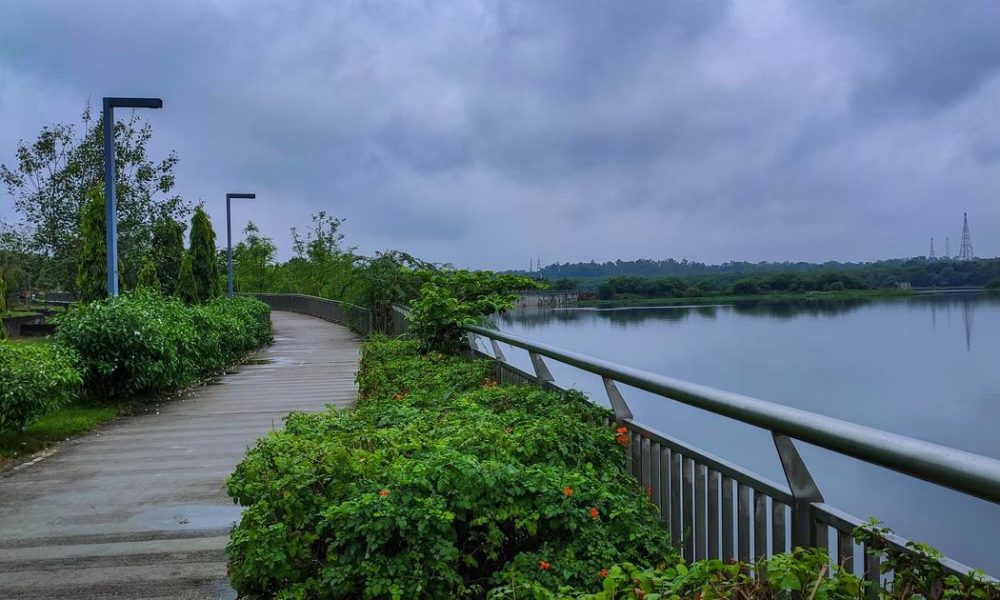
The Gomti Riverfront in Lucknow stands as a testament to urban development, showcasing a revitalized landscape filled with attractive promenades, lush gardens, and cycling paths. This transformation has turned the once-neglected river into a vibrant symbol of Lucknow’s modernization. However, such endeavors raise critical questions about the ecological ramifications of transforming natural waterways into urban spaces.
Initiated in March 2015 by the Uttar Pradesh state government at a hefty budget of ₹656.58 crore, the Gomti Riverfront Project represents a broader trend seen across many Indian cities prioritizing aesthetic enhancements over environmental sustainability. While the project has indeed succeeded in creating public recreational areas and boosting local property values, it has inadvertently compromised the natural ecosystem of the river. The alterations made to the riverfront have reduced the floodplains that serve as vital habitats for various species, leading to concerns about the river’s health and biodiversity.
Furthermore, the enduring issue of pollution in the Gomti River casts a shadow over the achievements of the riverfront project. Despite the glamorous facade, the ongoing contamination of the river raises alarms about the effectiveness of such urban renewal models. As climate change becomes a more pressing concern, cities across India are exploring riverfront developments as potential solutions for revitalizing urban spaces. However, the Gomti Riverfront exemplifies the critical balance needed between urbanization and ecological integrity.
The question that now looms large is whether rivers can be effectively integrated into urban life without undermining the natural processes that sustain them. The Gomti Riverfront serves as a crucial case study for other cities embarking on similar developments. It emphasizes the importance of ensuring ecological health while navigating the complexities of urban growth and public space accessibility.
As Indian cities look towards the future, the lessons learned from the Gomti Riverfront project will be vital. The challenge lies in creating urban landscapes that not only celebrate the beauty of rivers but also safeguard their ecological vitality. Only time will tell if Lucknow’s riverfront can become a model of sustainable urban living, or if it will merely stand as a reminder of the delicate balance between progress and preservation.
Source: scroll.in






No Comment! Be the first one.