

Empowering Dalit Women Writers: A Call for Self-Expression and Recognition
In the realm of Indian literature, the voices of Dalit women remain significantly subdued, often overshadowed by broader narratives. Kalyani Thakur Charal, a noted writer and advocate for Dalit...

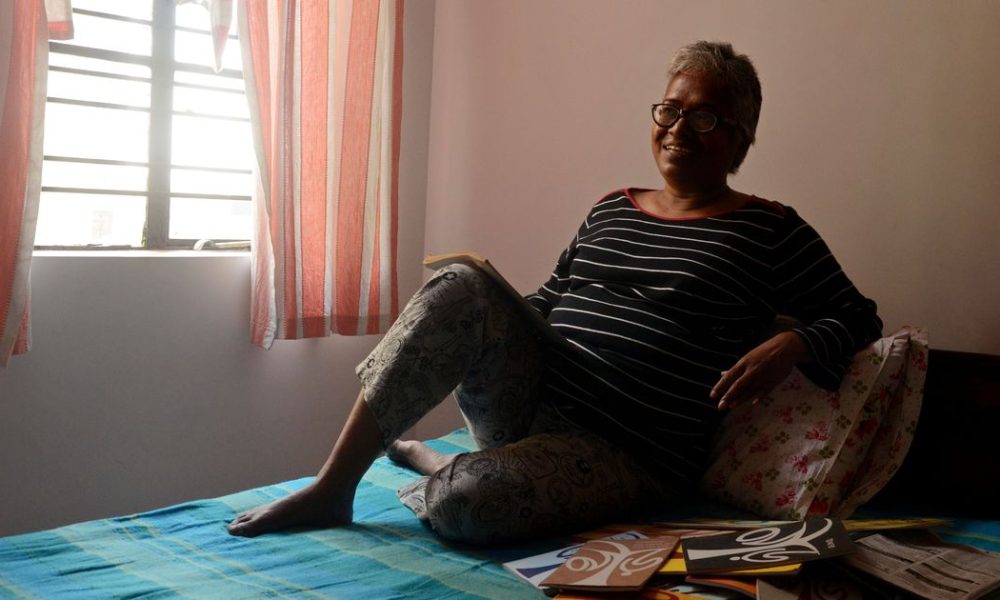
In the realm of Indian literature, the voices of Dalit women remain significantly subdued, often overshadowed by broader narratives. Kalyani Thakur Charal, a noted writer and advocate for Dalit issues, emphasizes the urgent need for Dalit women to articulate their own stories and perspectives. This call to action is not merely about inclusion; it is about allowing these women to speak for themselves, thereby enriching the tapestry of Indian literature.
Dalit girls, along with those from tribal and minority communities, face significant educational and economic hurdles compared to their counterparts in more privileged sections of society. As Charal points out, the barriers to accessing quality education and economic opportunities are profound. Consequently, the representation of Dalit women in literature remains limited, with only a handful of writers emerging from this background. The obstacles are not just personal but systemic, rooted in a society that has historically marginalized these voices.
Moreover, the nature of Dalit literature is distinct from mainstream literature. Rather than serving as a form of escapism, Dalit writing often grapples with harsh realities, highlighting struggles, injustices, and the quest for dignity. This thematic depth differentiates it from other literary movements, as the subject matter often reflects lived experiences of discrimination and resilience. Charal notes that Dalit literature is not merely an art form; it serves as a vital tool for social change and awareness.
Within the spectrum of women’s writing in India, Dalit women’s narratives carry unique perspectives that diverge from those of mainstream feminist discourse. The educational disparities faced by these women mean they often lag behind in terms of generational knowledge and access to literary spaces. Charal advocates for not only greater educational and economic opportunities but also for time and space for Dalit women to develop their voices fully.
As India continues to evolve, the importance of amplifying Dalit women’s voices cannot be overstated. Their stories offer critical insights into the complexities of gender, caste, and class, providing a more nuanced understanding of the Indian experience. By fostering an environment where Dalit women can write and be heard, society takes a significant step towards achieving true equality and representation in literature.
Source: scroll.in




No Comment! Be the first one.