

Singapore’s Culling of Pest Birds Raises Concerns Over Urban Wildlife Management
In Singapore, a recent culling initiative aimed at controlling the population of certain bird species has sparked a debate over wildlife management practices in urban areas. On a July afternoon, a...

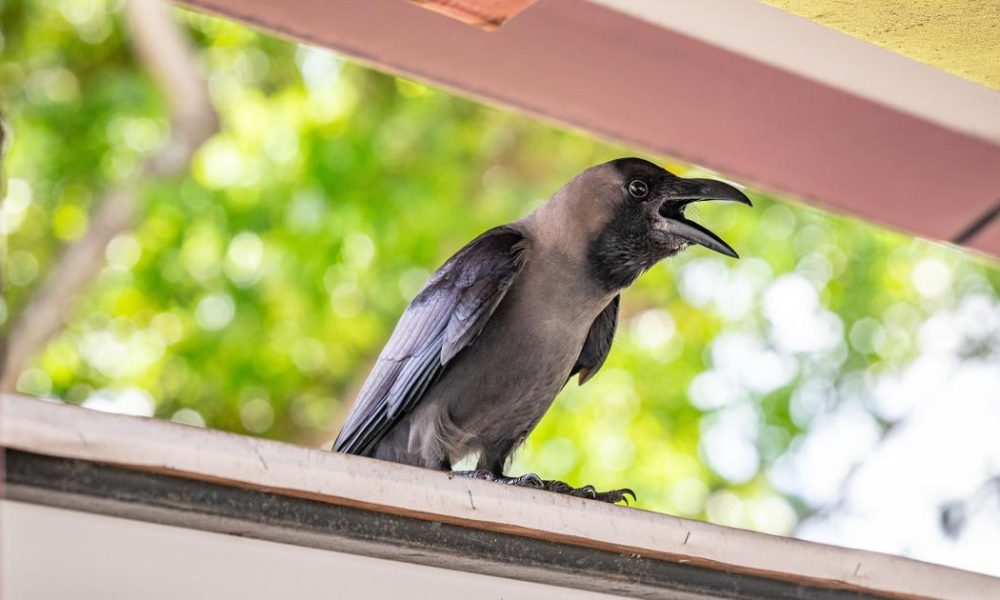
In Singapore, a recent culling initiative aimed at controlling the population of certain bird species has sparked a debate over wildlife management practices in urban areas. On a July afternoon, a pest control officer was seen at the Sungei Tengah Lodge, Singapore’s largest dormitory for migrant workers, collecting distressed birds. The culling method involved birds that had been poisoned and were later bagged for euthanasia using carbon dioxide, which officials describe as a humane approach. However, this claim has been challenged by animal welfare advocates who argue for more ethical treatment of wildlife.
Among the species targeted in this culling are the common pigeon, the Javan myna, and the house crow. These birds have been labeled as ‘nuisance species’ and are not protected under the Wildlife Act. Their presence is often linked to complaints from the public regarding noise and perceived threats to public health and local biodiversity. Critics of the culling program point out that eliminating birds may provide only a temporary solution, as the rapid urbanization in Singapore creates an environment conducive to the thriving of these birds.
Ecologists have voiced concerns about the long-term consequences of such culling efforts. They argue that as Singapore continues to expand its urban landscapes, the natural habitats of these birds are being diminished, pushing them to adapt and reproduce in urban settings. This raises critical questions about the sustainability of wildlife management practices that rely heavily on culling as a primary solution to biodiversity challenges.
Apart from the ethical implications, there is a growing discourse on the ecological balance within urban ecosystems. Birds like crows have been portrayed as detrimental due to their eating habits and behavior, but they also play a vital role in controlling insect populations and cleaning up waste. As cities like Singapore evolve, finding a balance between urban development and wildlife conservation becomes increasingly important.
As the culling of pest birds continues, there is a pressing need for a comprehensive approach that addresses both human concerns and animal welfare. Efforts should focus on understanding the root causes of conflicts between urban wildlife and human populations and devising strategies that promote coexistence rather than extermination.
Source: scroll.in






No Comment! Be the first one.