

Pakistan Bestows Highest Civilian Honour on Mumbai Doctors for Jinnah’s Confidentiality
Pakistan has recently declared that it will award its most prestigious civilian recognition, the Nishan-e-Imtiaz, to two eminent Parsi doctors from Mumbai, Jal Ratanji Patel and Jal Daeboo. This...

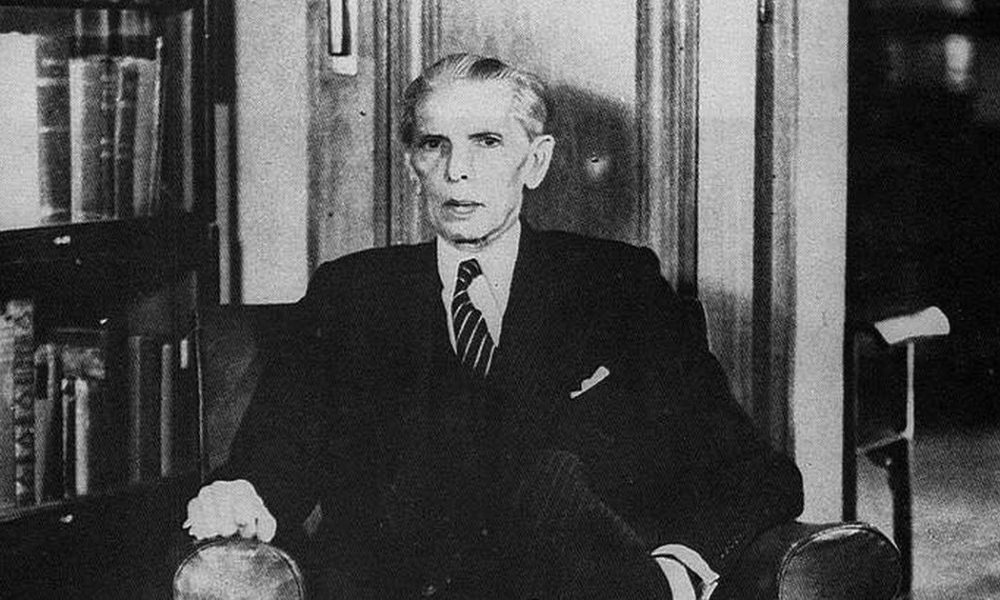
Pakistan has recently declared that it will award its most prestigious civilian recognition, the Nishan-e-Imtiaz, to two eminent Parsi doctors from Mumbai, Jal Ratanji Patel and Jal Daeboo. This honour is in recognition of their decision to maintain confidentiality regarding Muhammad Ali Jinnah’s terminal health condition during the critical years leading up to the Partition of India in 1947.
Jal Ratanji Patel served as Jinnah’s personal physician, while Jal Daeboo was a radiologist involved in his treatment. Notably, both will receive this award posthumously, as they have since passed away. There is some debate within the Parsi community regarding the correct spelling of Daeboo’s name, with some suggesting it should be Deboo.
During the time of Partition, Jinnah was battling tuberculosis, a disease that gravely compromised his lung health. He eventually succumbed to this illness on September 11, 1948, just over a year after the establishment of Pakistan. The implications of Jinnah’s health on the Partition are significant; as detailed in the 1975 historical account “Freedom at Midnight” by Dominique Lapierre and Larry Collins, had British India’s last Viceroy, Lord Louis Mountbatten, been privy to Jinnah’s critical condition, he might have opted to postpone the transfer of power, thereby potentially altering the future trajectory of both countries.
In a recent social media post, Ahsan Iqbal, Pakistan’s Minister for Planning, echoed this sentiment. He stated, “Lord Mountbatten later acknowledged that, had he known how seriously ill Jinnah was, he might have delayed Partition – potentially altering the course of history and perhaps even jeopardising the creation of Pakistan.” This highlights the profound impact that the doctors’ choice to preserve Jinnah’s medical privacy had on the historical narrative of the subcontinent.
The conferment of this award underscores not only the medical contribution of the two doctors but also reflects on the ethical responsibilities and implications of medical confidentiality. Their decision to keep Jinnah’s illness under wraps is viewed as a significant act that could have changed the course of history, demonstrating the delicate balance between professional duty and the broader societal implications of one’s actions.
Source: scroll.in




No Comment! Be the first one.