

Dialogue Key to Resolving India-Bangladesh Tensions, Says Indian High Commissioner
The Indian High Commissioner to Bangladesh, Dinesh Trivedi, has stated that the existing differences between New Delhi and Dhaka can potentially be addressed through constructive dialogue, especially...

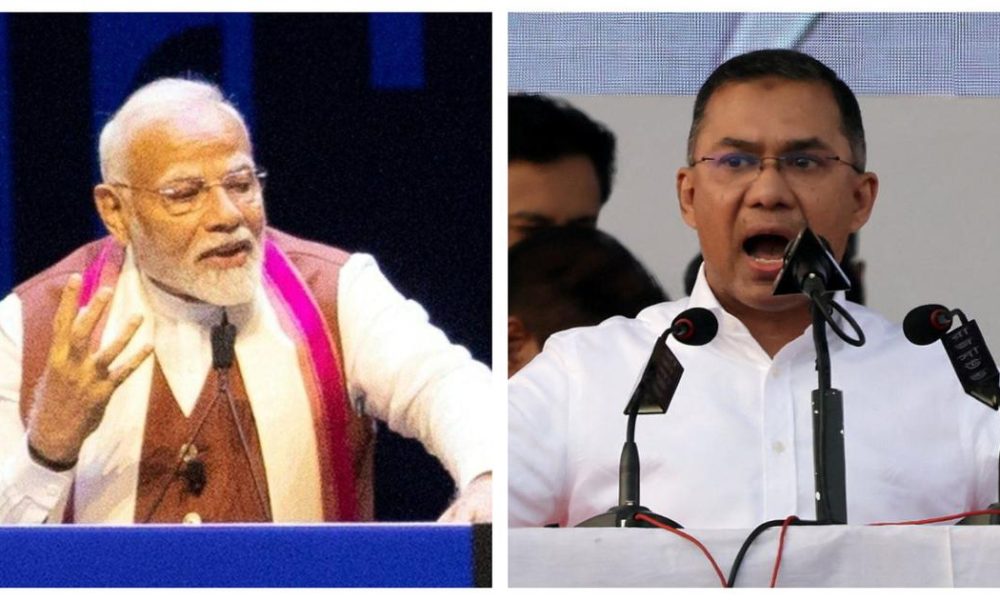
The Indian High Commissioner to Bangladesh, Dinesh Trivedi, has stated that the existing differences between New Delhi and Dhaka can potentially be addressed through constructive dialogue, especially once the Prime Ministers of both nations engage in direct talks. His comments came during an event in Dhaka, showcasing India’s commitment to fostering a cordial relationship with its neighbor.
This statement follows remarks from a Bangladeshi foreign ministry official, who indicated that Prime Minister Tarique Rahman of Bangladesh would postpone any visit to India until the Indian government extradites former Prime Minister Sheikh Hasina. The political climate between India and Bangladesh has been strained since Hasina fled to India in July 2024, following widespread protests led by students against a contentious quota system for government employment.
The protests escalated into a nationwide uproar against Hasina’s administration, ultimately leading to a series of legal troubles for her. In November 2024, Bangladesh’s International Crimes Tribunal sentenced Hasina to death for crimes against humanity linked to her government’s violent suppression of the protests. Furthermore, in February 2025, she was sentenced to ten years in prison for corruption related to irregularities in a government housing project. These developments have complicated relations between the two countries, with Dhaka repeatedly calling for her extradition and expressing concern over Hasina’s ability to communicate with her supporters from Indian soil.
Despite these tensions, Trivedi emphasized that the onus is on Hasina to decide whether she wishes to return to Bangladesh. He expressed hope that dialogue could pave the way for a resolution of the ongoing issues, highlighting the importance of personal interactions between the leaders of both nations. This sentiment underscores the belief that high-level discussions could lead to a more stable and cooperative relationship moving forward.
As the political landscape in Bangladesh evolves, the potential for renewed diplomatic efforts remains. The Indian government has shown willingness to engage in talks, but the path forward will depend heavily on the actions and decisions of both countries’ leadership. The upcoming interactions may serve not only to address current challenges but also to enhance bilateral ties in broader contexts, such as trade, security, and cultural exchange.
Source: scroll.in




No Comment! Be the first one.