

Bar Council Chairperson Issues Apology to Law Students Amid Controversy Over Convocation Speaker
In a recent turn of events, Manan Kumar Mishra, the Chairperson of the Bar Council of India, extended an apology to law students following a contentious issue involving the National Academy of Legal...

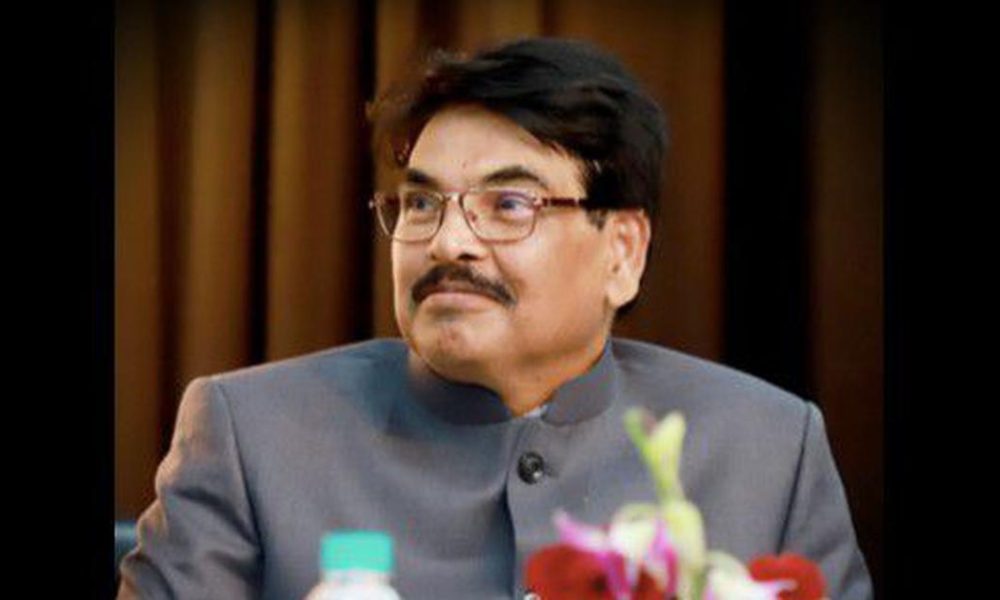
In a recent turn of events, Manan Kumar Mishra, the Chairperson of the Bar Council of India, extended an apology to law students following a contentious issue involving the National Academy of Legal Studies and Research (NALSAR). This apology comes after the Bar Council faced significant backlash regarding its previous directive to state bar councils to postpone the enrollment of NALSAR graduates as advocates.
The controversy initially arose when a group of students at NALSAR protested against the invitation extended to Chief Justice Surya Kant as a guest speaker for their convocation ceremony. In response, the Bar Council had taken the step of withdrawing its directive, citing a need for an inquiry to identify the students who were primarily involved in opposing the Chief Justice’s participation. This action ignited a wave of criticism from both students and legal experts.
As the situation unfolded, Justice Surya Kant expressed his disapproval of the Bar Council’s approach, labeling it as “absolutely uncalled for.” He emphasized that the matter should be a dialogue solely between him and the students, questioning the Council’s authority to intervene. His remarks have added to the ongoing debate regarding the autonomy of educational institutions and the role of external bodies in their affairs.
On Saturday, in a letter addressing the law students, Mishra stated, “If anything connected with the present controversy, any of my words or letters, has hurt the feelings of our law students, I sincerely regret and apologise for the same.” His three-page letter aimed to clarify the Council’s stance and alleviate concerns among the student community. The Bar Council ultimately decided to close the proceedings against the students, asserting that the 2026 batch had not participated in any form of protest or disturbance.
This incident highlights a broader issue within India’s legal education system—how institutions navigate the balance between upholding academic freedom and responding to administrative governance. As law students across the country closely observe these developments, the episode serves as a cautionary tale of the complexities surrounding governance, student expression, and institutional autonomy in the realm of legal education.
Source: scroll.in





No Comment! Be the first one.