

Reviving India’s Culinary Heritage: The Urgent Need to Preserve Local Vegetable Varieties
The clove bean, affectionately referred to as ‘mookuthi avarai’ in Tamil due to its resemblance to a traditional nose pin, represents a fading chapter in India’s rich agricultural...

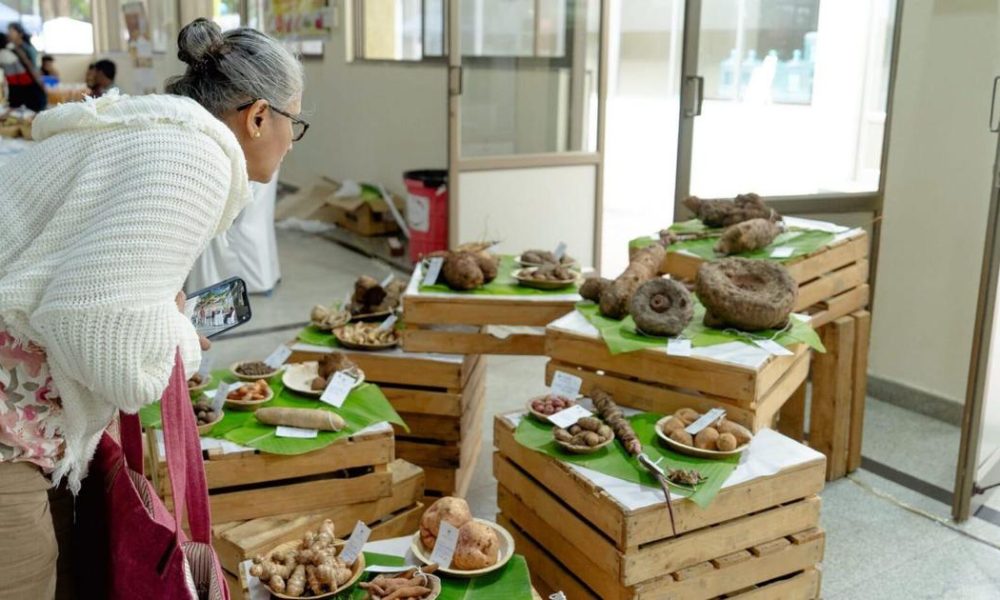
The clove bean, affectionately referred to as ‘mookuthi avarai’ in Tamil due to its resemblance to a traditional nose pin, represents a fading chapter in India’s rich agricultural narrative. Once a staple in South Indian kitchens, this unique vegetable has now become a rarity, overshadowed by the proliferation of hybrid varieties in modern markets. Its presence is immortalized in the beloved cookbook ‘Samaithu Paar’ by S. Meenakshi Ammal, but in reality, the clove bean has almost vanished from contemporary culinary practices in India.
In Bengaluru, however, a glimmer of hope shines through the efforts of Prabhakar Rao, a landscape architect and founder of Hariyalee Seeds. With a deep commitment to conserving traditional vegetables, Rao tends to a small farm where he cultivates heirloom varieties that were once commonplace. As he navigates through his lush fields, he showcases rare vegetables, including Yerengere white long eggplants and diverse tomato species. His passion underscores a growing concern: the dominance of a limited selection of hybrid vegetables in markets has led to a significant decline in vegetable biodiversity.
Rao reflects on the culinary significance of heirloom varieties, recalling when the Yerengere white long eggplant was the essential ingredient for the famous local dish ‘vangi bath’ or brinjal rice. He points out that the homogenization of our diets has resulted in a loss of flavors and nutritional diversity, as people increasingly gravitate towards a narrow range of vegetable options. This trend not only affects culinary practices but also threatens agricultural biodiversity, which plays a crucial role in ecosystem stability.
The phenomenon of diet homogenization is a growing concern across India, where local food systems are being overshadowed by globalized agriculture. Traditional knowledge about local vegetables is at risk of being forgotten, and with it, the unique tastes and dietary practices that have been cultivated over generations. The need for revival and conservation of local vegetable varieties is not just about preserving culinary heritage; it’s about ensuring food security and sustainability in the face of climate change and economic challenges.
To counter this trend, initiatives like Rao’s are critical. By promoting the cultivation and usage of traditional varieties, they encourage farmers to embrace biodiversity and sustainable practices. This not only enriches the local food culture but also creates a resilient agricultural ecosystem. As Indian consumers become more aware of the importance of biodiversity, the revival of local vegetable varieties could usher in a new appreciation for the country’s diverse culinary landscape.
Source: scroll.in







No Comment! Be the first one.