

The Rise of the Cockroach Janata Party: Lessons from a Youth Movement’s First Victory
In July, the Cockroach Janata Party (CJP) achieved what many established political entities in India have struggled to accomplish over the years. Originating from a satirical social media post, the...

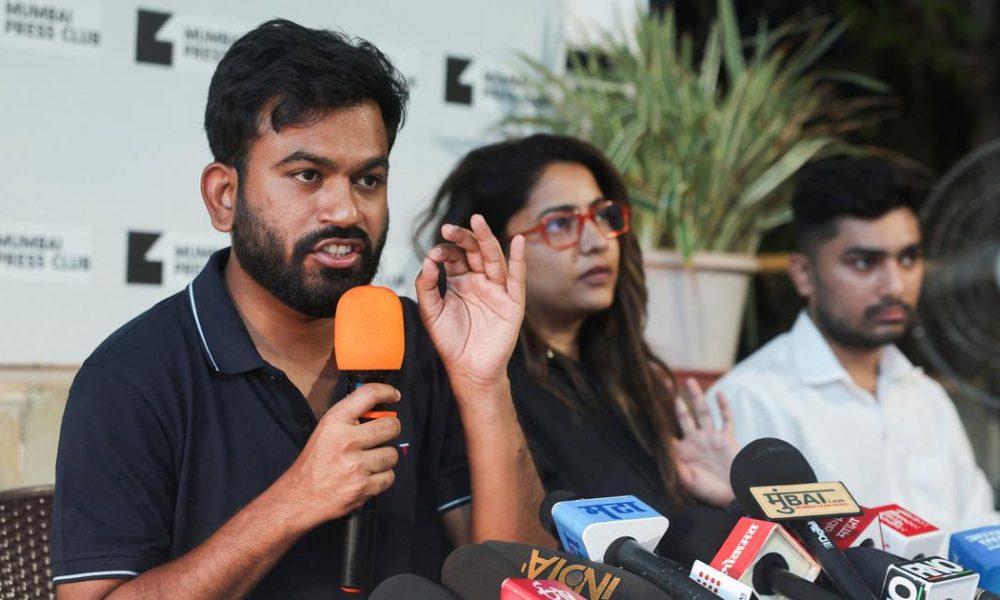
In July, the Cockroach Janata Party (CJP) achieved what many established political entities in India have struggled to accomplish over the years. Originating from a satirical social media post, the CJP effectively harnessed widespread discontent regarding examination paper leaks, rampant unemployment, and general governmental apathy to ignite a nationwide movement among the youth. This collective uproar successfully pressured Education Minister Dharmendra Pradhan to resign, marking a significant victory for the nascent party and elevating its profile on the global stage.
However, this early triumph also set a precedent, raising expectations for the CJP to replicate its success in subsequent political challenges. Currently, the movement has turned its focus toward demanding the resignation of Chief Election Commissioner Gyanesh Kumar. This call comes in the wake of a controversy surrounding the removal of over 130 million names from India’s electoral rolls, a situation that has galvanized protests across the nation. Detractors argue that this electoral revision disproportionately impacts marginalized communities, including minorities, Dalits, and economically disadvantaged citizens, potentially skewing electoral advantages in favor of the ruling Bharatiya Janata Party (BJP).
In response to these allegations, both the Election Commission and the BJP have denied any wrongdoing, insisting that the revision process is transparent and necessary. Despite the CJP’s vocal demands for Kumar’s resignation, it has not emerged as the leading force in the ongoing protests. Instead, the agitation has largely been coalesced around well-established opposition figures, including Congress leader Rahul Gandhi, various political parties, student organizations, and civil rights activists.
These opposition leaders have shown their commitment to the cause through active participation in protests, even facing detentions, and have sought judicial intervention by taking the matter to the Supreme Court. They are advocating for a comprehensive audit of the voter deletions, emphasizing the need to ensure that the electoral process remains fair and inclusive for all segments of society.
The CJP’s initial success serves as an important lesson in the dynamics of Indian politics, particularly regarding how grassroots movements can disrupt traditional party structures and galvanize a younger demographic. However, as the current protests evolve, it is evident that sustaining momentum and leading a cohesive campaign requires the alignment of diverse factions, a challenge that the CJP must navigate carefully in the months to come.
Source: scroll.in






No Comment! Be the first one.