

The Rise and Fall of Sheikh Mujibur Rahman: A Journey from Popularity to Distrust
In 1973, Sheikh Mujibur Rahman, the founding leader of Bangladesh, delivered a pivotal speech at Paltan Bazar addressing the rampant issue of smuggling that plagued the newly independent nation. He...

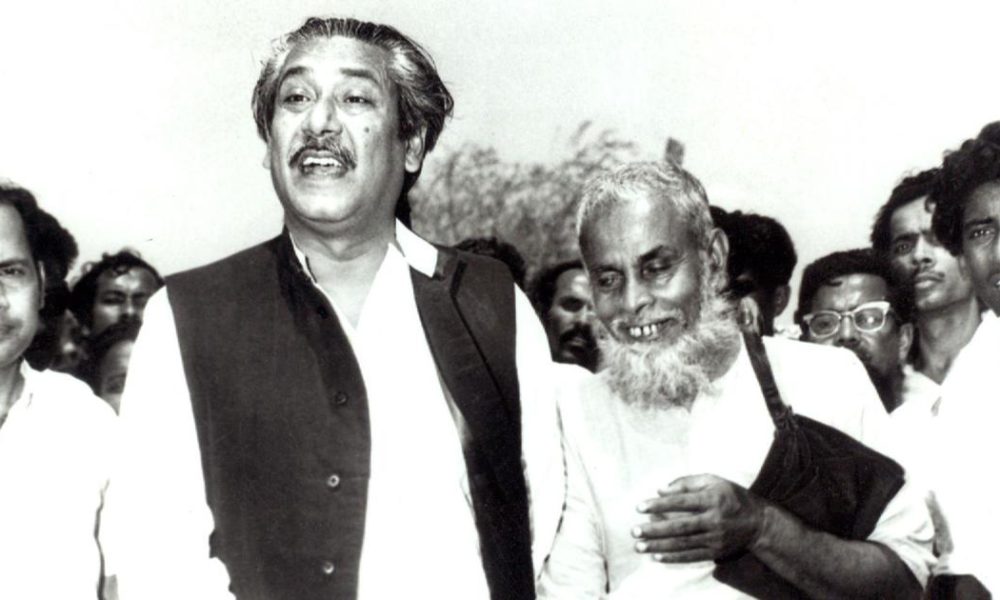
In 1973, Sheikh Mujibur Rahman, the founding leader of Bangladesh, delivered a pivotal speech at Paltan Bazar addressing the rampant issue of smuggling that plagued the newly independent nation. He urged the public to take a stand against smugglers and assured them of his commitment to tackle the issue. However, the response was one of skepticism and disappointment. Many attendees were aware that several leading figures within his own Awami League party were implicated in smuggling activities, which significantly undermined Rahman’s credibility among the masses.
To leverage his popularity and restore faith, Mujib initiated nationwide elections later that year. The Awami League achieved a remarkable victory, claiming 282 out of 289 contested seats, a sweeping mandate reflecting the initial hope the public had in him. Yet, despite this electoral triumph, Mujib’s political landscape began to unravel soon after. The socio-economic conditions in Bangladesh remained dire, with escalating food shortages that experts described as tantamount to a man-made famine, leading to widespread discontent.
By late 1974, disillusionment within Mujib’s inner circle became apparent when Tajuddin Ahmed, a key figure in the government, chose to resign. Tajuddin, recognized for his political acumen and instrumental role in mobilizing support during the liberation struggle, found himself frustrated with Mujib’s governance. He felt unable to influence necessary changes and opted not to be part of a government that appeared disconnected from the people’s needs. This departure marked a significant turning point, revealing the fractures within the ruling party and highlighting Mujib’s increasingly isolated position.
The aftermath of these events not only led to Mujib’s waning influence but also set the stage for a turbulent political future in Bangladesh. The socio-economic failures and growing dissatisfaction among the populace paved the way for a series of upheavals, fundamentally altering the trajectory of the nation. Rahman’s initial popularity, once buoyed by the hope of independence, faced a stark transformation as the realities of governance set in.
As Bangladesh navigated through these tumultuous times, the lessons drawn from Sheikh Mujibur Rahman’s leadership journey resonate deeply within the broader context of political governance in South Asia. The interplay between public trust, accountability, and effective governance remains a critical discourse in understanding the evolution of political landscapes in the region. The challenges faced by Rahman serve as a reminder of the delicate balance required to maintain public confidence in leadership.
Source: scroll.in







No Comment! Be the first one.