

Eviction Notice Issued to Heritage Mosque Near PM Modi’s Residence in Delhi
A mosque recognized for its heritage status, located close to Prime Minister Narendra Modi’s official residence in New Delhi, has received an eviction notice from the authorities. The notice,...

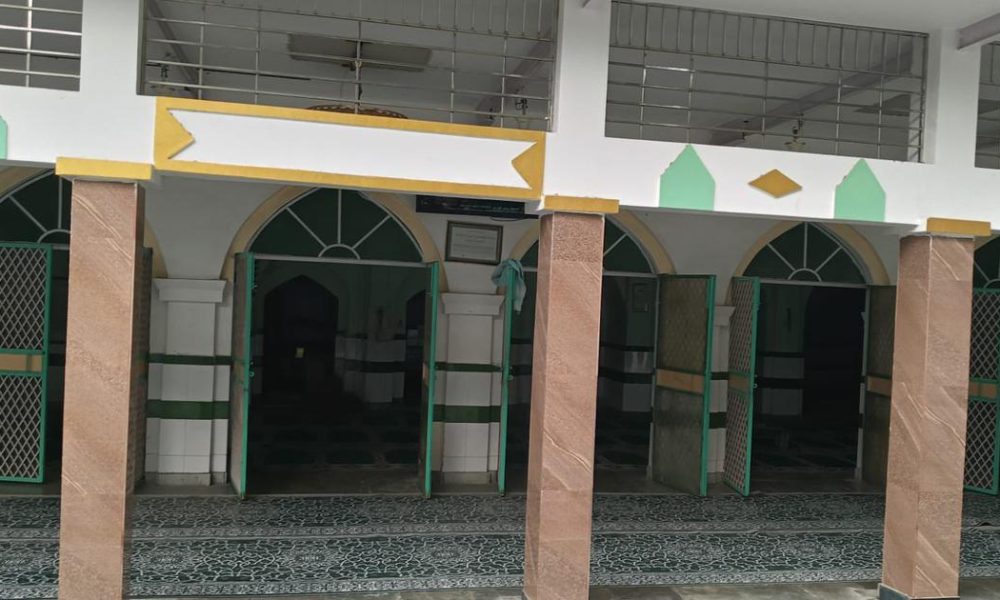
A mosque recognized for its heritage status, located close to Prime Minister Narendra Modi’s official residence in New Delhi, has received an eviction notice from the authorities. The notice, issued by the Land and Development Office, claims that the mosque is situated on government property and is therefore considered ‘unauthorized’. The mosque, popularly known as the Race Course mosque, is listed as a heritage site on the New Delhi Municipal Council’s registry.
In an official directive, mosque management has been instructed to vacate the premises within a tight deadline of six days. This office operates under the Union Ministry of Housing and Urban Affairs and is charged with overseeing government-owned properties, particularly in the capital. The mosque representatives have reported that essential services, including water and electricity, have already been cut off, further complicating the situation.
Members of the All India Majlis-e-Ittehadul Muslimeen, including MP Asaduddin Owaisi, have voiced their concerns and have called upon Union Minority Affairs Minister Kiren Rijiju to intervene. Owaisi emphasized that the mosque holds the status of a ‘gazetted waqf property’ since 1977, which he argues should grant it protection under the Waqf Amendment Act. This act acknowledges properties used for religious purposes as ‘waqf by user’, thereby allowing them to maintain their protected status.
The term ‘waqf’ refers to an endowment under Islamic law, designated for religious, educational, or charitable use. Each Indian state is governed by a waqf board, which oversees such properties and ensures their compliance with legal frameworks that safeguard their usage. The mosque’s eviction raises significant questions about the preservation of religious heritage and the rights of communities to maintain their places of worship.
As this situation unfolds, it highlights a critical intersection of heritage preservation, religious rights, and urban development within the bustling landscape of Delhi. The community’s response and potential actions from the central government will be closely monitored, as they reflect broader issues of cultural identity and legal protections for religious sites in India.
Source: scroll.in







No Comment! Be the first one.