

Karnataka High Court Dismisses FIR Against Arnab Goswami and Amit Malviya Over Congress Office Claims
The Karnataka High Court has dismissed a criminal case against prominent journalist Arnab Goswami and BJP leader Amit Malviya, related to allegations that the Indian National Congress operates an...

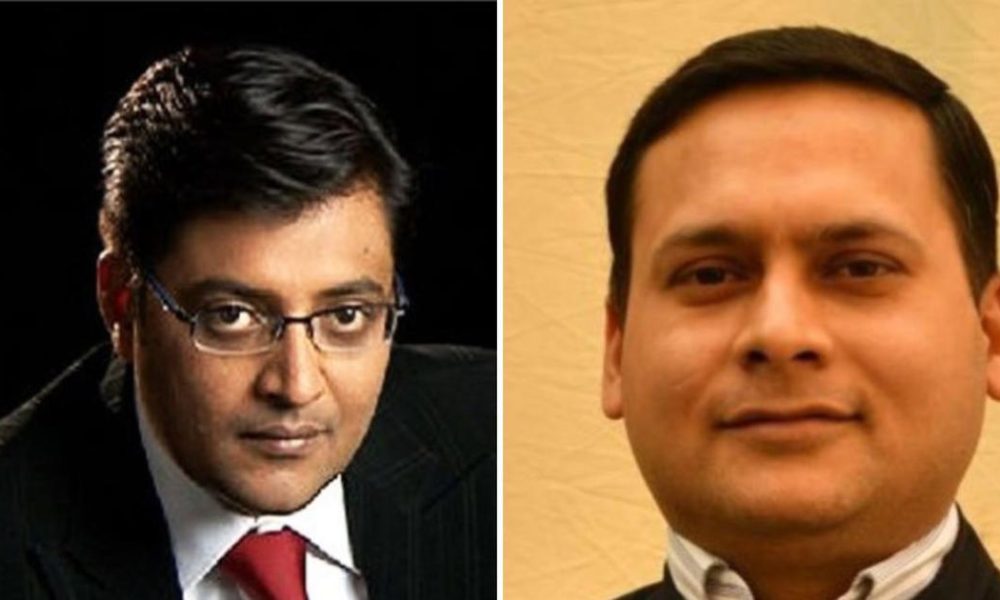
The Karnataka High Court has dismissed a criminal case against prominent journalist Arnab Goswami and BJP leader Amit Malviya, related to allegations that the Indian National Congress operates an office in Istanbul, Turkey. The ruling was delivered by Justice M. Nagaprasanna while considering petitions from both individuals to quash the First Information Report (FIR).
The controversy began during a broadcast on Republic TV on May 15, 2025, when Goswami made claims regarding an office purportedly belonging to the Congress party located at the Istanbul Congress Center. However, investigative reports, including one from Alt News, clarified that the venue in question is actually a convention center owned by the Istanbul Metropolitan Municipality, not a party office.
Amit Malviya added fuel to the fire by sharing a video on social media on May 17, 2025, questioning the rationale behind the Congress having a registered office abroad. His post raised several provocative inquiries, suggesting that such a move was perplexing and required explanation from party leader Rahul Gandhi. Malviya’s remarks echoed sentiments of skepticism regarding the Congress’s intentions, stating, “The enemy’s friend is an enemy too,” which drew attention to the party’s alleged foreign connections.
The Bengaluru Police acted on a separate complaint lodged by a leader from the Indian Youth Congress, leading to the FIR against Goswami and Malviya. The charges included sections of the Bharatiya Nyaya Sanhita, focusing on incitement of violence and intentional insult. Despite the serious nature of these allegations, the High Court ultimately ruled in favor of the accused, emphasizing the need for evidence in such matters.
This ruling has significant implications, not just for the individuals involved, but also for the broader political landscape in India, where media narratives often intertwine with political agendas. The case highlights ongoing tensions between political parties and the media, illustrating how claims and counterclaims can ignite public discourse and controversy.
Source: scroll.in







No Comment! Be the first one.