

Ritabrata Banerjee’s Rebel Group Claims Recognition as Main Opposition in West Bengal Assembly
In a significant development in West Bengal’s political landscape, expelled Trinamool Congress (TMC) MLA Ritabrata Banerjee has asserted that the state’s Assembly Speaker, Rathindra Bose,...

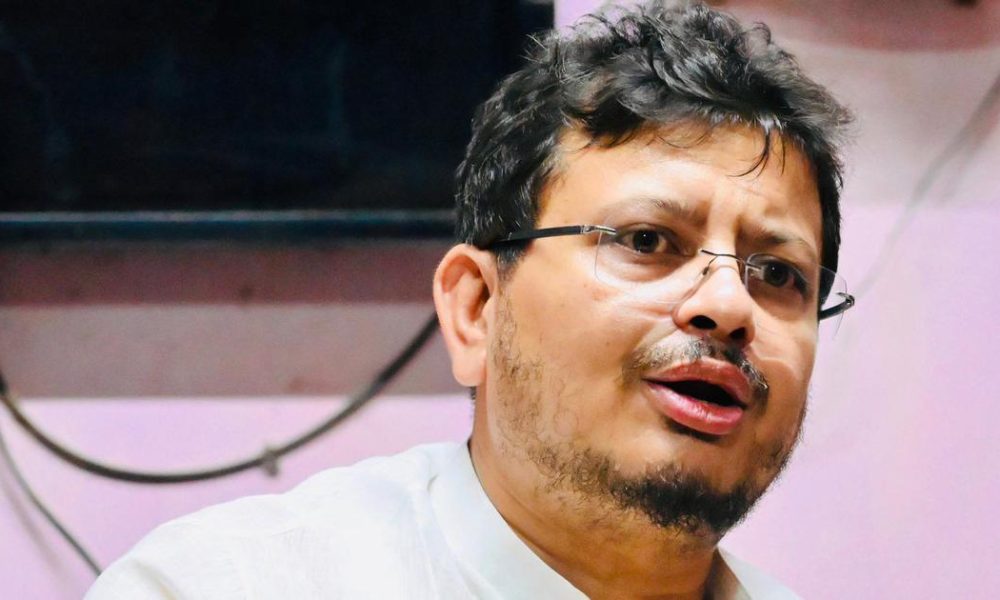
In a significant development in West Bengal’s political landscape, expelled Trinamool Congress (TMC) MLA Ritabrata Banerjee has asserted that the state’s Assembly Speaker, Rathindra Bose, has acknowledged his faction as the principal opposition group. This claim surfaces amidst rising tensions within the TMC, as Banerjee has taken a bold step by rallying support from a notable number of party MLAs.
On Wednesday, Banerjee revealed that a proposal signed by 58 out of the party’s 80 MLAs had been submitted to Speaker Bose, seeking official recognition of their group as the legislature wing of the TMC. The list, presented without any party letterhead, included names such as Mamata Banerjee as the party leader, Ritabrata Banerjee as the opposition leader, and several others as deputy leaders in the Assembly. This move is seen as a direct challenge to the current party leadership.
The dynamics within the party have become increasingly complex, as Mamata Banerjee has expressed her support for Sovandeb Chattopadhyay as the designated leader of the opposition. This situation has escalated following allegations made by Ritabrata Banerjee and fellow expelled MLA Sandipan Saha, suggesting that there were forgeries involved in the documentation that supported Chattopadhyay’s appointment. These claims have prompted an investigation into the legitimacy of the signatures collected.
Banerjee’s assertions raise questions about the internal unity of the TMC, which has been facing mounting challenges from within. The rebellious faction’s actions could lead to a significant shift in the political power dynamics in West Bengal, particularly as they seek to position themselves against the established leadership. The ongoing rivalry and dissent among party members could potentially alter the TMC’s strategies ahead of future political contests.
As the situation unfolds, the implications for West Bengal’s political arena are yet to be fully understood. The apparent division within the TMC highlights the complexities of party politics in the region, where alliances and rivalries often play a crucial role in shaping governance and policy-making.
Source: scroll.in





No Comment! Be the first one.