

UK Sees Sharpest Drop in Migration Rates Since 2012 Amid Policy Changes
Recent statistics reveal a significant downturn in net migration to the United Kingdom, marking its lowest level since 2012, barring the years impacted by the pandemic. The findings, published by the...

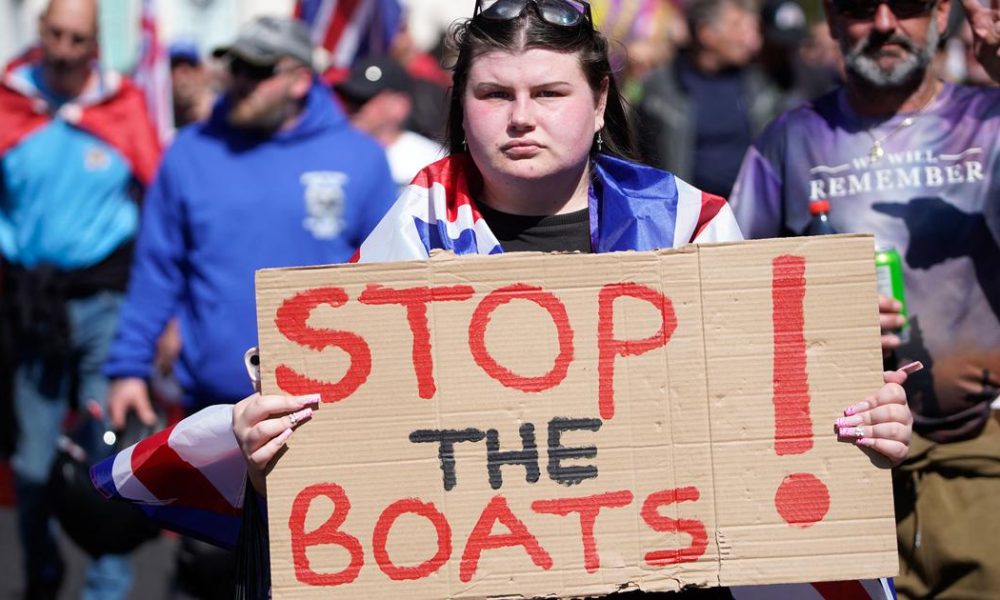
Recent statistics reveal a significant downturn in net migration to the United Kingdom, marking its lowest level since 2012, barring the years impacted by the pandemic. The findings, published by the Office for National Statistics and the Home Office, shed light on the latest trends in visa applications, small boat crossings, accommodation for asylum seekers, and overall migration figures.
The data indicates that net migration—the difference between the number of people arriving in the UK and those departing—has plummeted to 171,000 in 2025. This figure is nearly half of what was recorded in 2024 and represents an 82% decrease from the peak observed in early 2023. The decline is largely attributed to a reduction in the inflow of workers and their families, particularly those associated with international students, following the introduction of stricter immigration policies by the previous Conservative government. These policies aimed to regulate immigration more tightly after a period of liberalization during Boris Johnson’s tenure.
In response to public sentiment and political pressure, the current Labour administration has not only preserved these restrictive measures but has also implemented additional controls. While the migration of economically beneficial groups, like skilled workers, has diminished, there are rising concerns regarding asylum-seeking migrants. The balance between controlling immigration and addressing humanitarian needs has become a focal point of the ongoing debate in UK politics.
For many in India, the changing landscape of UK immigration presents both challenges and opportunities. Students and professionals seeking to migrate for better prospects might find the evolving policies to be a double-edged sword. On one hand, the reduced competition may create a more favorable environment for applicants; on the other, increasing restrictions could limit avenues for many.
The implications of these figures extend beyond mere statistics, influencing bilateral relations, economic opportunities, and cultural exchanges between India and the UK. As migration policies continue to evolve, they will play a critical role in shaping the dynamics of these ties, particularly in a post-Brexit landscape.
Source: scroll.in







No Comment! Be the first one.