

Renewed US-Iran Strikes Amidst Ongoing Ceasefire Tensions in West Asia
The conflict in West Asia has escalated once again as airstrikes have resumed between the United States and Iran, despite an ongoing ceasefire agreement. Initial reports indicate that both nations...

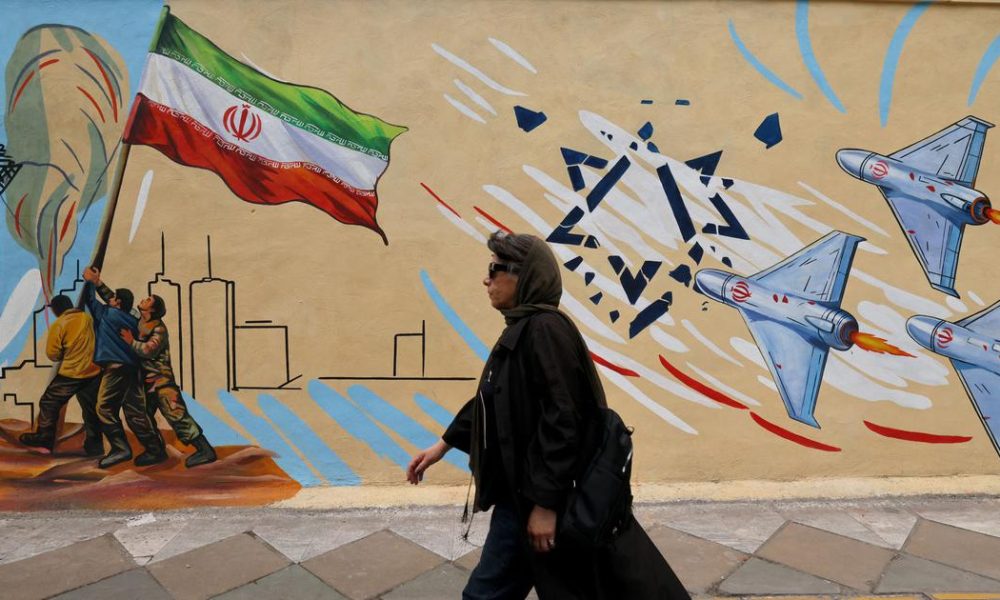
The conflict in West Asia has escalated once again as airstrikes have resumed between the United States and Iran, despite an ongoing ceasefire agreement. Initial reports indicate that both nations have launched targeted operations aimed at military infrastructure, further intensifying an already volatile situation in the region.
According to the US Central Command, American forces executed a series of strikes over the weekend against Iranian military assets, specifically radar installations and drone command centers located in Goruk and Qeshm Island. These operations were characterized as ‘self-defense’ actions, undertaken in light of what the US described as ‘aggressive Iranian actions,’ which included the downing of an American MQ-1 drone that was flying in international waters.
The US military has emphasized that their fighter jets specifically targeted Iranian air defense systems, a ground control station, and two so-called one-way attack drones, which they considered imminent threats to commercial shipping operations within regional waters. In a parallel development, Iran’s Islamic Revolutionary Guard Corps (IRGC) announced that it had executed strikes on a base associated with the US military, purportedly used to launch previous assaults against Iranian targets, though specific locations were not disclosed by Iranian state media.
The timing of these renewed strikes is particularly significant as diplomatic efforts continue to seek a broader resolution to the ongoing conflict in West Asia. Amidst these military actions, Kuwait’s military has reported intercepting ‘hostile missile and drone attacks,’ although they did not identify the source of these attacks, adding another layer of complexity to the situation.
As tensions escalate, observers are closely monitoring the implications for regional stability and the potential fallout for diplomatic negotiations. US President Donald Trump has previously stated he managed to secure assurances aimed at reducing hostilities, yet the recent military engagements cast doubt on the prospects for a peaceful resolution. The situation remains fluid, with international implications that could affect not only the countries directly involved but also nations across the globe, including India, which has vested interests in regional security and trade.
Source: scroll.in







No Comment! Be the first one.