

India’s Role in Shaping Ghana’s Architectural Identity: A Study of Global Relations
The call to prayer resonates through the bustling streets as locals gather beneath the impressive domes and soaring minarets of the National Mosque in Accra, Ghana. This striking architectural...

The call to prayer resonates through the bustling streets as locals gather beneath the impressive domes and soaring minarets of the National Mosque in Accra, Ghana. This striking architectural marvel, now a symbol of cultural pride, was actually constructed and funded by Turkey. Such details highlight a much larger narrative concerning the intricate web of global relationships that shape significant public spaces in Ghana.
Across the globe, architecture serves a dual purpose. While it meets practical needs, it simultaneously acts as a testament to political power and cultural identity. In Ghana, many of the country’s landmark structures are influenced not just by domestic demands but also by international partnerships that are politically and economically driven. This phenomenon underlines the idea that these buildings are powerful representations of authority, solidarity, and modern aspirations.
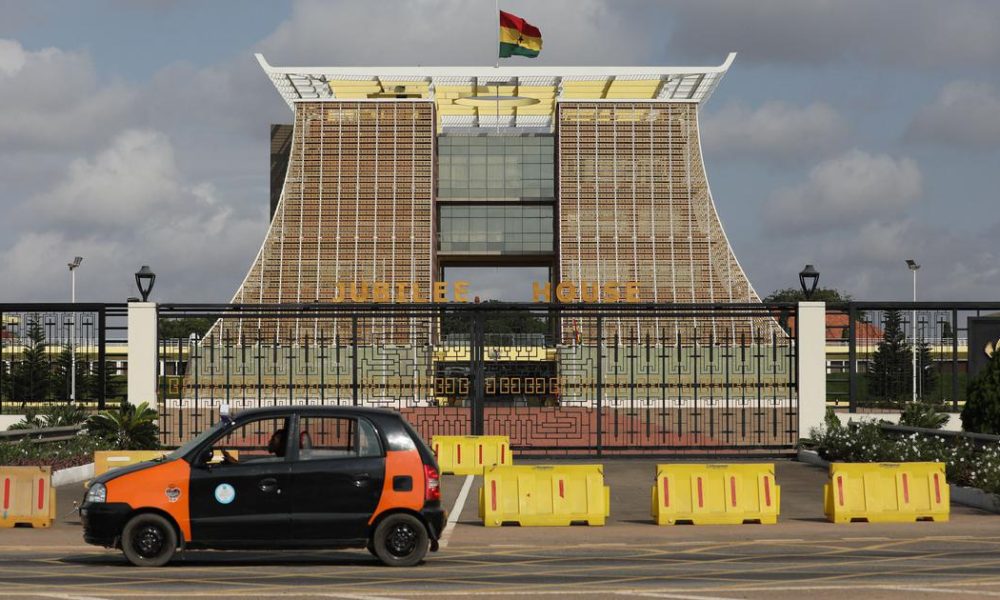
Research into this relationship between architecture and power reveals fascinating insights into the identities and ideologies of African nations and their foreign allies. For instance, the National Mosque and the seat of Ghana’s government illustrate how international relations impact architectural choices, reflecting the prevailing dynamics of power and agency. These structures often embody the aspirations of nations and the narratives projected by their global partners.
As India emerges as a significant player on the global stage, its contributions to Africa, including Ghana, cannot be overlooked. Indian architecture and development efforts are increasingly being recognized, which further enhances diplomatic ties and cultural exchanges between nations. The architectural landscape of Ghana, influenced by multiple parties including India, Turkey, and other nations, serves as a canvas upon which the narrative of global partnership is painted.
In conclusion, the evolution of Ghana’s public buildings reveals a complex interplay of politics, identity, and international relations. Understanding these dynamics is crucial for appreciating how architecture not only fulfills functional roles but also shapes perceptions, influences ideological frameworks, and fosters a sense of belonging within a community. As countries like India continue to engage with Ghana, the architectural dialogue will likely reflect and influence the socio-political landscape for years to come.
Source: scroll.in







No Comment! Be the first one.