

Indian Rupee Hits All-Time Low of 95.6 Against US Dollar Amid Economic Challenges
The Indian rupee has plunged to an unprecedented low of 95.6 against the US dollar, reflecting heightened economic pressures stemming from ongoing geopolitical tensions and soaring global oil prices....

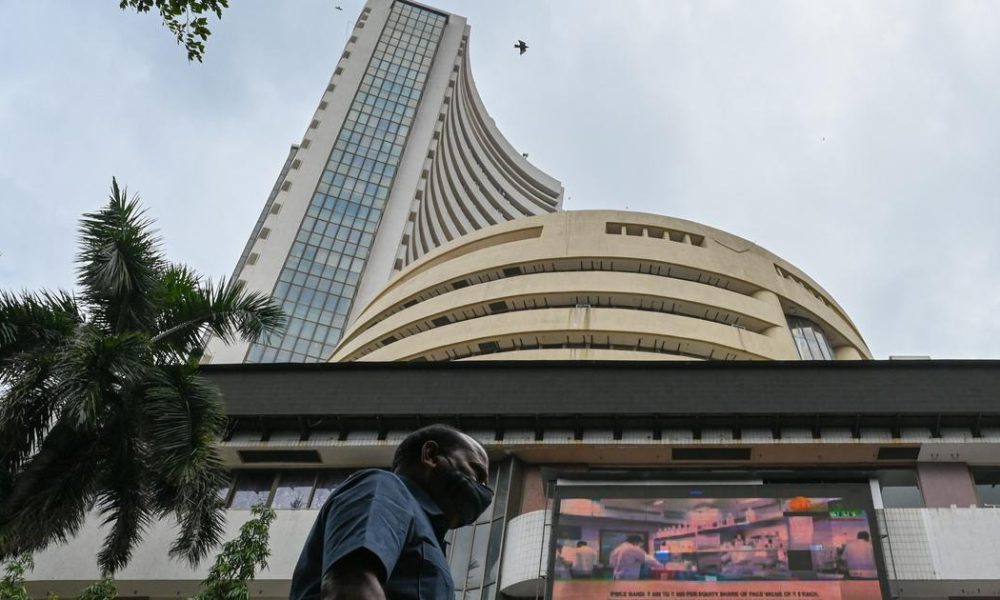
The Indian rupee has plunged to an unprecedented low of 95.6 against the US dollar, reflecting heightened economic pressures stemming from ongoing geopolitical tensions and soaring global oil prices. As of midday trading, the rupee made a slight recovery, stabilizing at 95.5. This downturn marks a significant shift from its previous record low of 95.4, which was observed on May 5.
The fall in the rupee’s value can largely be attributed to the recent spike in oil prices. On Tuesday, the price of Brent crude oil surged nearly 1.2%, reaching $105.5 per barrel. For context, just a few months ago, on February 27, ahead of escalating conflicts in West Asia, the price stood at a more manageable $78 per barrel. This dramatic increase in oil prices not only affects the currency but also poses a broader threat to the Indian economy, which is heavily reliant on imported oil.
In reaction to these economic strains, the Indian stock market experienced a significant decline, with the benchmark Sensex plunging over 880 points, or approximately 1.1%, during the trading session. The Nifty index also fell by more than 240 points, marking a 1% drop. The cumulative loss in investor wealth has been staggering, amounting to over Rs 6.1 lakh crore in a single day. This decline marks the fourth consecutive session of losses for the stock market, which had only recently shown signs of recovery following a steep downturn in March.
Market volatility has also surged, as evidenced by a 3.2% spike in the India VIX index, which measures market expectations of near-term volatility. Major Asian stock indices displayed mixed results on Tuesday, reflecting the uncertainty gripping global markets. While Hong Kong’s Hang Seng index dipped slightly by 0.09%, other regional markets reacted variably to the ongoing economic and political turmoil.
The current economic landscape underscores the intricate connection between global events and domestic financial stability. As the conflict in West Asia continues to affect oil prices, Indian policymakers face mounting pressure to address these challenges effectively. The Reserve Bank of India and the government will need to monitor these developments closely to devise strategies that can stabilize the currency and support economic growth in these turbulent times.
Source: scroll.in







No Comment! Be the first one.