

Pakistan Appeals to UN Security Council Over Indus Waters Treaty Dispute with India
In a significant diplomatic maneuver, Pakistan has escalated its dispute with India regarding the Indus Waters Treaty by taking the matter to the United Nations Security Council (UNSC). This move...

In a significant diplomatic maneuver, Pakistan has escalated its dispute with India regarding the Indus Waters Treaty by taking the matter to the United Nations Security Council (UNSC). This move marks a pivotal shift from a bilateral confrontation to a broader international legal challenge, as Islamabad seeks to address what it describes as India’s illegal suspension of the treaty.
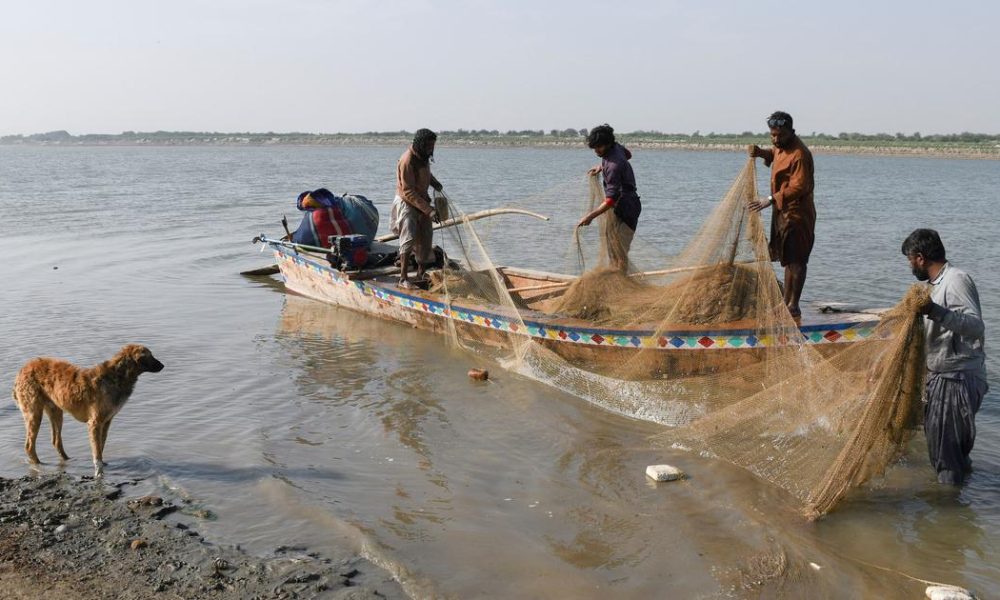
The Indus Waters Treaty, established in 1960, has long been heralded as one of the most resilient agreements governing water sharing, having endured conflicts and tensions between the two nations. However, Pakistan’s recent actions indicate that it perceives India’s decision to put the treaty on hold as a serious infringement that could have dire consequences for millions who depend on the river system for their livelihoods.
Pakistan has urged the Security Council to respond urgently, emphasizing that the suspension of the treaty could lead to significant security, environmental, and humanitarian repercussions. This appeal comes as New Delhi frames its actions as necessary security measures, yet the international forum of the UNSC opens this narrative to greater scrutiny.
The Indus Waters Treaty was designed to provide a framework for the equitable sharing of river waters between the two nations, facilitating cooperation even amidst political tensions. The treaty’s resilience is attributed to its robust institutional mechanisms that have historically insulated water sharing from geopolitical conflicts. However, the current situation has raised questions about the treaty’s future and the responsibilities of co-signatories like the World Bank.
As Pakistan’s appeal unfolds in the international arena, it calls into question the credibility of treaties in the face of national security arguments. The implications for both countries are significant, as the outcome could redefine the parameters of water-sharing agreements in South Asia and potentially impact regional stability. With millions of lives dependent on the waters of the Indus, the stakes could not be higher.
Source: scroll.in







No Comment! Be the first one.