

Bombay High Court Rules Maharashtra Must Prioritize Funding for Children’s Homes Alongside Women’s Schemes
The Aurangabad bench of the Bombay High Court delivered a significant ruling on Thursday, emphasizing that the Maharashtra government cannot overlook or postpone financial aid for children’s...

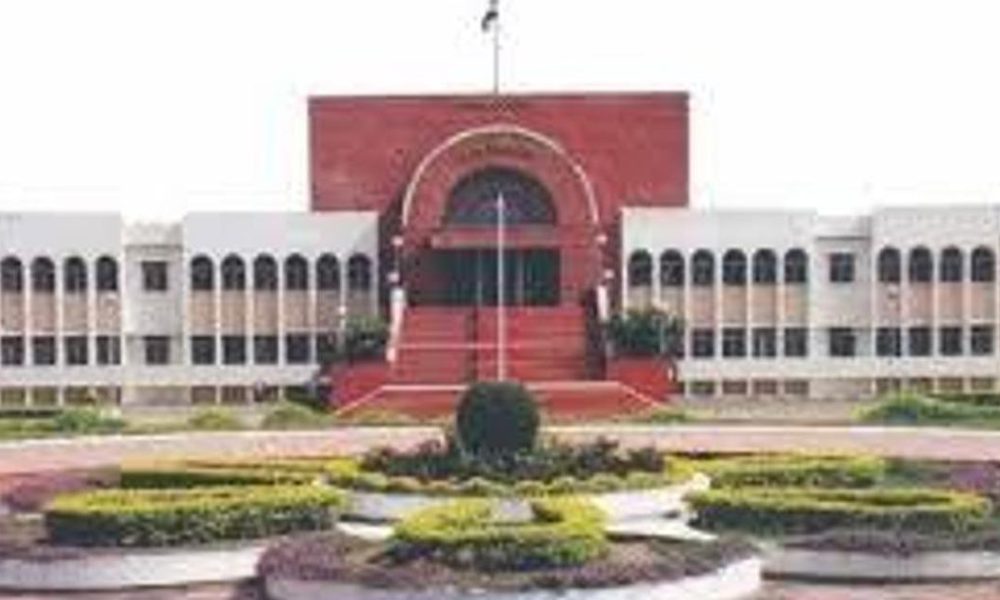
The Aurangabad bench of the Bombay High Court delivered a significant ruling on Thursday, emphasizing that the Maharashtra government cannot overlook or postpone financial aid for children’s homes while simultaneously providing assistance under the Ladki Bahin scheme. The court highlighted the importance of equitable resource allocation, referencing Article 14 of the Constitution, which upholds the right to equality before the law.
The Ladki Bahin scheme, introduced in June 2024, is designed to assist women aged between 21 and 65 from families earning less than ₹2.5 lakh annually, offering a monthly support of ₹1,500. This initiative aims to empower underprivileged women, yet the court’s decision underscores the necessity of balancing such funding with the needs of vulnerable children.
This ruling arose during hearings related to petitions filed by employees of unaided children’s homes, operated by non-governmental organizations (NGOs). The employees argued for their pay and working conditions to be aligned with those of state government employees. They pointed out that a precedent was set in 2005 when the High Court affirmed that staff at children’s homes operated by the Children’s Aid Society deserved similar compensation to their counterparts in other organizations.
Justice Kishore Sant and Justice Sushil Ghodeswar, presiding over the case, reiterated that while government initiatives aimed at uplifting women’s financial conditions are commendable, they should not come at the expense of children’s welfare. The judges urged a thorough examination of the funding priorities, stressing that the state’s commitment to providing for the most vulnerable members of society must be fulfilled without discrimination.
The decision has broad implications for the future of social welfare schemes in Maharashtra. As local governments grapple with budget constraints, the court’s stance serves as a reminder that the most marginalized groups must receive adequate attention and support. Advocates for children’s rights are hopeful that this ruling will lead to more equitable policies that ensure no demographic is neglected in the pursuit of social justice.
Source: scroll.in






No Comment! Be the first one.