

India and New Zealand Forge Economic Ties: An Opportunity or a Challenge?
The recent signing of a free trade agreement (FTA) between India and New Zealand has ignited a wave of discussions, reflecting varying perspectives on its potential impact. While some view the FTA as...

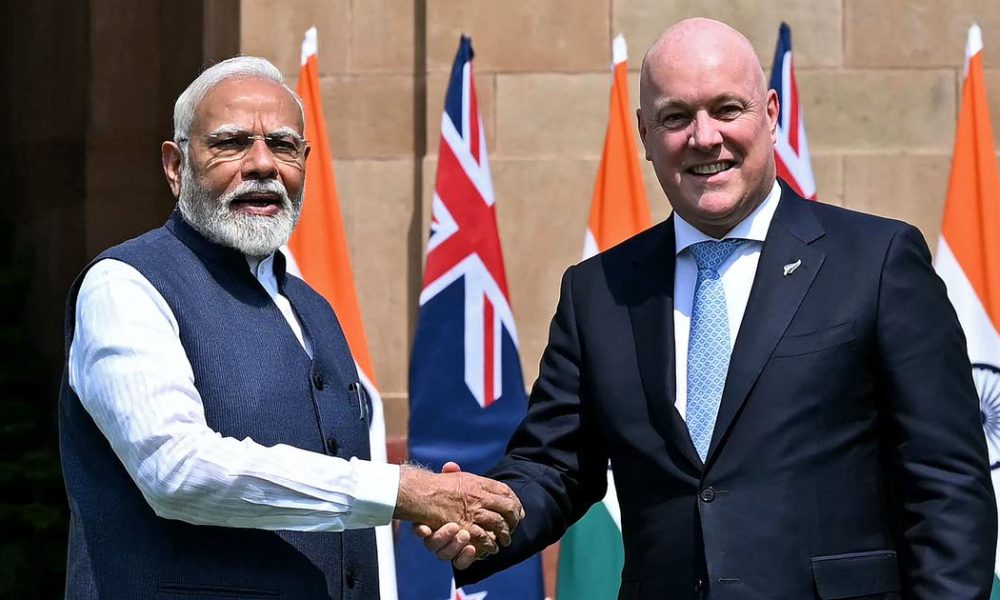
The recent signing of a free trade agreement (FTA) between India and New Zealand has ignited a wave of discussions, reflecting varying perspectives on its potential impact. While some view the FTA as a significant economic opportunity for New Zealand, others express concerns over its implications for the nation’s economic sovereignty. In the context of an upcoming election, the stakes are particularly high, prompting political leaders to stake their positions on this landmark deal.
India, home to a staggering population of 1.4 billion, presents a vast market that could unlock new avenues for trade and investment. Amidst a backdrop of global challenges such as inflation, geopolitical tensions, and rising fuel costs, the agreement aims to reduce barriers related to the trade of goods, services, capital, and skilled labor. As a result, many exporters in New Zealand are enthusiastic about the prospects this FTA offers, especially as India is projected to experience a robust growth rate of 6.5% over the next two years, outpacing New Zealand’s other trading partners.
The Ministry of Foreign Affairs and Trade in New Zealand anticipates that this agreement will lead to increases in trade volume, economic output, and real wages as New Zealand products gain greater access to the Indian market. Historically, trade deals of this nature have resulted in economic benefits that exceeded initial projections, as witnessed in the New Zealand-China free trade agreement. Analysts suggest that the anticipated gains from the India agreement may also surpass current estimates, bolstering the optimism surrounding the deal.
However, the FTA is not solely focused on the exchange of goods; it also encompasses significant elements of service and investment liberalization. This aspect has drawn substantial political scrutiny, as some critics fear that New Zealand could face repercussions for not adequately investing in India. The concerns over immigration and investment flow have become prominent, exacerbated by existing global migration debates. Critics argue that the influx of skilled workers could strain resources, while proponents assert that a diverse workforce is essential for economic growth.
As the discussions surrounding the India-New Zealand FTA continue, it is clear that this agreement serves as a pivotal moment for both nations. The balance between leveraging economic opportunities and addressing public concerns will be critical as New Zealand navigates its future in the global trade landscape. In the coming months, the political discourse will likely shape the perception and implementation of this historic trade agreement.
Source: scroll.in







No Comment! Be the first one.