

Reflections on Gaza: Kynpham Sing Nongkynrih’s Poignant Commentary
Kynpham Sing Nongkynrih, a noted poet and writer, recently expressed his deep sorrow and frustration over the ongoing humanitarian crisis in Gaza. His reflections resonate with the pain and despair...

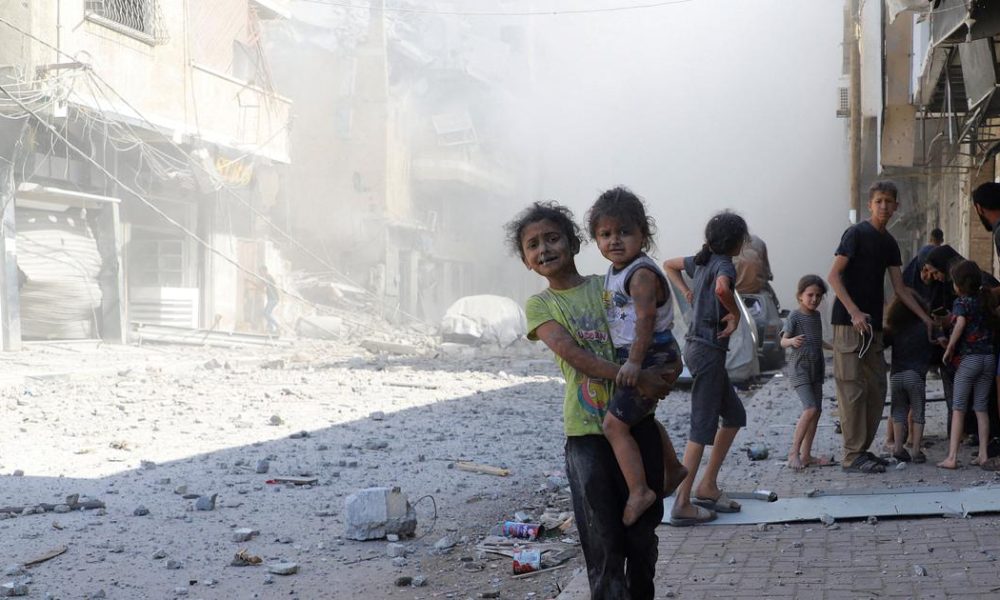
Kynpham Sing Nongkynrih, a noted poet and writer, recently expressed his deep sorrow and frustration over the ongoing humanitarian crisis in Gaza. His reflections resonate with the pain and despair of countless individuals who have been affected by violence and conflict, challenging the world to confront the grim realities that are often sanitized in political discourse.
In his piece, Nongkynrih uses the metaphor of “mowing the grass” to illustrate how language can be twisted to obscure the horrific destruction of lives and homes. This phrase, often used in military contexts to describe the systematic eradication of life, starkly contrasts with the ordinary act of lawn care. He emphasizes that while one might find tranquility in tending to the earth, the devastating consequences of war reduce human suffering to mere collateral damage, trivializing the profound loss experienced by civilians caught in the crossfire.
Addressing the insensitivity of some who call for prayers for specific factions, Nongkynrih grapples with the ethical implications of such actions. He reflects on the moral responsibilities individuals have towards humanity, stating that he cannot support ideologies that perpetuate violence and ethnic cleansing. This sentiment echoes the broader Indian ethos that emphasizes compassion and understanding among diverse communities. In a country as culturally rich and diverse as India, the call for recognizing shared humanity is particularly poignant.
Moreover, Nongkynrih gives a voice to the innocent, highlighting the plight of the Gazan children like Doniya, who, despite living under constant threat, respond to inquiries about their well-being with an unsettlingly casual “I’m fine.” This response is laden with irony, as it juxtaposes a semblance of normalcy against the backdrop of chaos and destruction. The stark reality faced by these children serves as a reminder of the resilience of the human spirit, even in the darkest of times.
As Nongkynrih’s lament reaches out to the world, it serves as a powerful call for awareness and empathy. It implores us to not only acknowledge the suffering of others but also to engage with it meaningfully. In a global landscape rife with conflict, his reflections remind us that behind every statistic lies a story, a life, and a family forever altered by the horrors of war.
Source: scroll.in




No Comment! Be the first one.