

Noida Workers Released but Phones Still Held by Police Amid Protests
In a significant development, nearly 1,100 contract workers in Noida, Uttar Pradesh, have been released after being detained under Section 170 of the Bharatiya Nagarik Suraksha Sanhita, which allows...

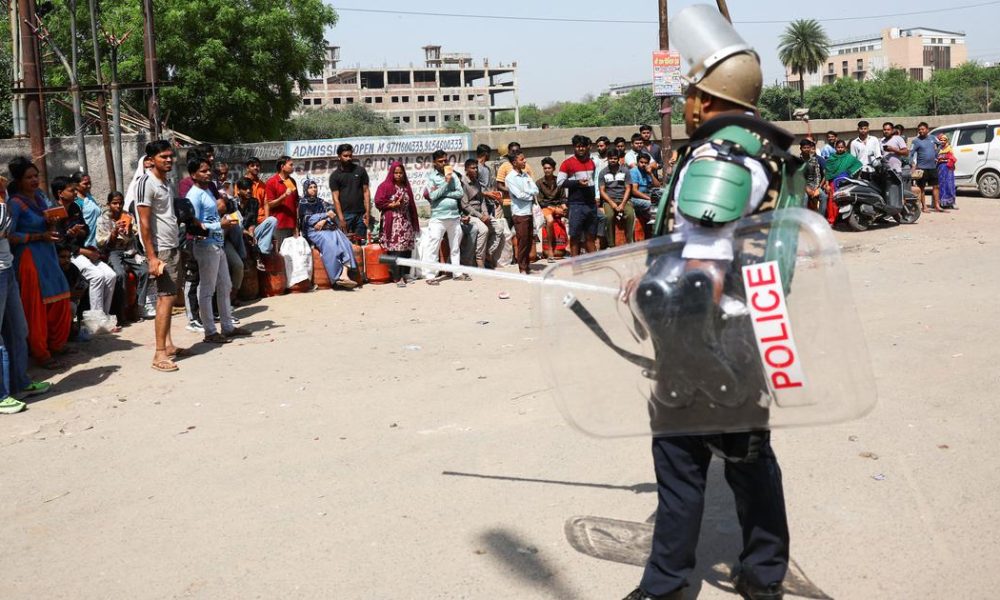
In a significant development, nearly 1,100 contract workers in Noida, Uttar Pradesh, have been released after being detained under Section 170 of the Bharatiya Nagarik Suraksha Sanhita, which allows for preventive detention. These workers had been arrested amidst protests that highlighted their grievances regarding low wages, poor working conditions, and inadequate legal protections. However, despite their release more than 15 days ago, law enforcement authorities have yet to return the workers’ personal belongings, specifically their mobile phones.
The protests, which erupted on April 9 and spanned six days, were sparked by increasing dissatisfaction among contract workers, who sought better pay and favorable conditions. The situation was further aggravated by the rising costs of essential commodities, including cooking gas, exacerbating the financial strain on these laborers. Instead of addressing their legitimate concerns as labor disputes, the authorities opted for a forceful response, framing the situation as a public order issue.
The ongoing withholding of the workers’ mobile phones reflects a troubling trend where the consequences of detention linger even after individuals are released. For many in the working class, smartphones serve as crucial tools for managing finances and maintaining personal identification. They rely on apps for mobile banking and digital transactions, making it imperative that their phones be returned promptly to facilitate their reintegration into daily life.
As the workers continue to face the repercussions of their detention, this situation raises critical questions about the treatment of labor rights in India. The reluctance of authorities to return their phones could be seen as an extension of punitive measures, further complicating efforts by these workers to resume their normal lives. The treatment of these workers amid their struggle for basic rights also highlights the broader issues of labor exploitation and the need for reform in how labor disputes are handled.
As society grapples with the implications of such actions, it becomes increasingly important to advocate for the rights of workers in India. The Noida protests and the subsequent detentions serve as a stark reminder of the challenges faced by laborers seeking justice and recognition in a rapidly changing economic landscape.
Source: scroll.in







No Comment! Be the first one.