

Unveiling the Legacy of Malayali Migrants in Sri Lanka: Insights for Contemporary Migration
In the past, Malayali migrants carved a significant niche for themselves in Sri Lanka, a chapter often overshadowed by the migration waves to the Persian Gulf starting in the 1970s. Understanding...

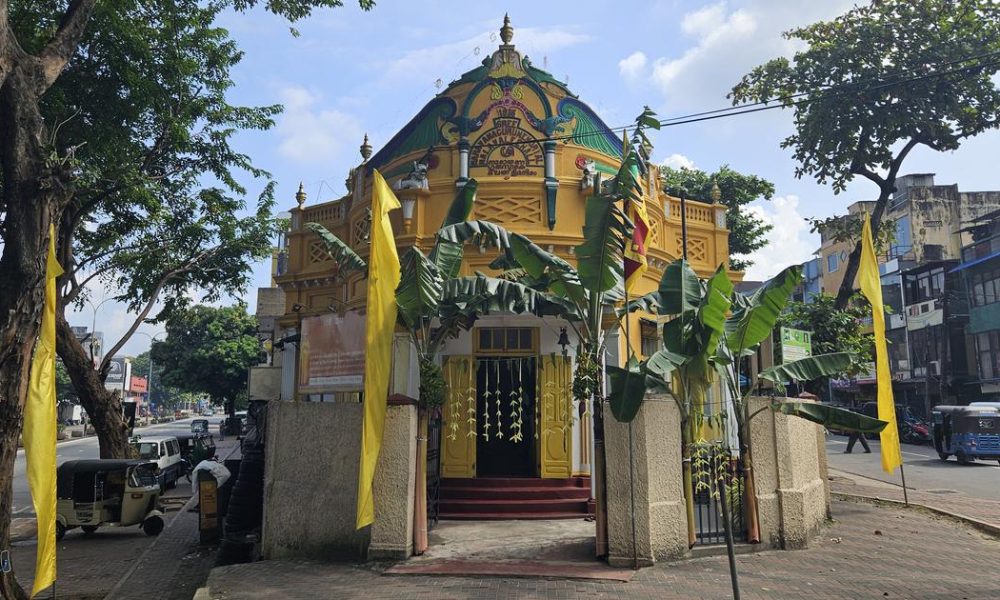
In the past, Malayali migrants carved a significant niche for themselves in Sri Lanka, a chapter often overshadowed by the migration waves to the Persian Gulf starting in the 1970s. Understanding this earlier migration from Kerala to Sri Lanka, which began in the late 19th century, offers valuable lessons for current migration trends and challenges.
The primary groups that migrated from Kerala to Sri Lanka were predominantly Ezhavas and Muslims. These communities not only played a crucial role in the historical migration to Ceylon but also shaped the more recent exodus to Gulf nations. One can argue that the experiences of Malayalis in Sri Lanka contributed to their preparedness for the migrations that followed, particularly to the Gulf countries, highlighting a continuity in migration patterns driven by economic aspirations.
Moreover, the historical context of Malayali migration to Sri Lanka reveals the complexities surrounding migrant identities. During the early 20th century, political sentiments in Sri Lanka began to shift, leading to a rise in anti-migrant rhetoric. As the independence movement gained momentum in the 1920s, various political factions started advocating for the repatriation of Indian workers. This period marked the beginning of a surge in nationalist sentiments that increasingly targeted Indian laborers, culminating in significant social and political challenges for migrants living in the region.
As we draw parallels between past and present, it is imperative to recognize the pattern of hostility towards migrants that often emerges in new contexts, such as the current wave of xenophobia directed at Indian migrants in various parts of the world, including Europe, Australia, and North America. Just as Malayali workers faced backlash in Sri Lanka, contemporary Indian migrants navigate a complex landscape of acceptance and resistance, underscoring the importance of learning from historical precedents.
In sum, the forgotten history of Malayali workers in Sri Lanka resonates with significant implications for understanding the broader dynamics of migration today. By revisiting this narrative, we can gain insights into the socio-political challenges migrants face and foster a more nuanced discourse about migration in our increasingly interconnected world.
Source: scroll.in






No Comment! Be the first one.