

Plastic Pollution Threatens Olive Ridley Turtle Hatchlings on Odisha’s Coast
The Rushikulya rookery, located in the Ganjam district of Odisha, is recognized as one of the world’s most significant nesting sites for olive ridley sea turtles (Lepidochelys olivacea). Each year,...

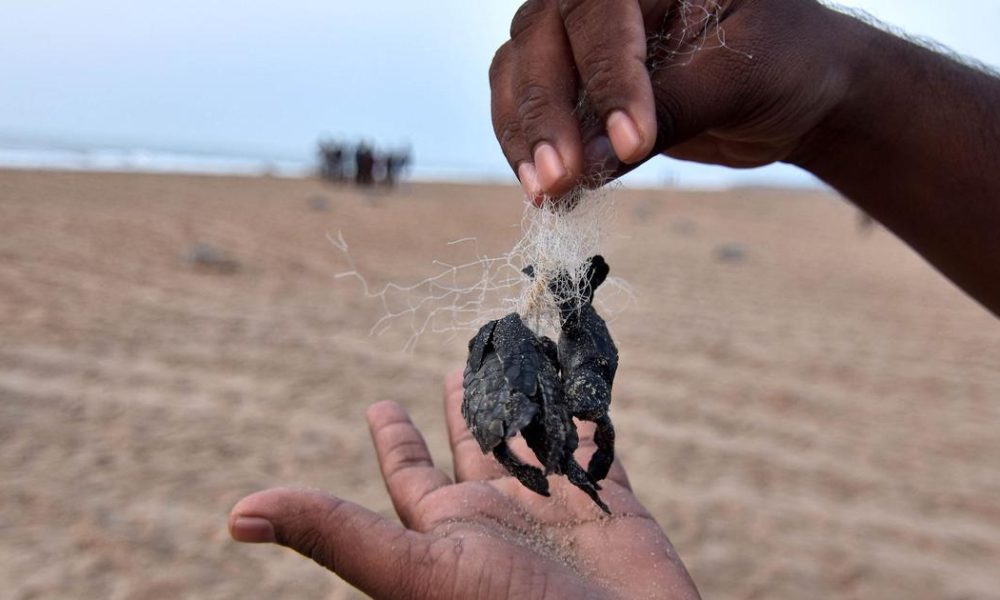
The Rushikulya rookery, located in the Ganjam district of Odisha, is recognized as one of the world’s most significant nesting sites for olive ridley sea turtles (Lepidochelys olivacea). Each year, this region attracts hundreds of thousands of these turtles, which participate in a synchronized mass nesting phenomenon known as arribada. In February 2025 alone, an astonishing 700,000 olive ridley turtles were reported to have come ashore to lay their eggs.
Despite its ecological importance, the coast of Rushikulya is grappling with a severe plastic pollution crisis. According to a recent study conducted by the National Institute of Oceanography in Goa, there has been a concerning accumulation of plastic waste along a crucial 10-kilometer stretch of this eastern coastline. The findings highlight a growing global issue of marine plastic pollution that poses a significant threat to wildlife, including vulnerable species like the olive ridleys.
During the peak nesting season of 2025, surveys conducted on four distinct nesting beaches—New Podampetta, Purunabandha, Siddhantnagar, and Prayagi—revealed a staggering 1,100 litter items, with over 85% classified as plastic. The types of debris identified included plastic bottles, wrappers, and bags, indicating that both land-based runoff and direct human activity are major contributors to this environmental hazard.
Among the litter, a substantial portion was attributed to fisheries-related debris, including discarded fishing nets, thermocol, and fragments of nylon ropes. Collectively referred to as “ghost gear” or abandoned, lost, and otherwise discarded fishing gear (ALDFG), this debris constituted 41% of the total litter found across all surveyed sites. Specifically, fishing nets alone accounted for approximately 32% of the waste at New Podampetta, while thermocol made up over 31% at the same location.
As the olive ridley turtles continue to face the dangers posed by plastic pollution, it is imperative for authorities, environmental groups, and local communities to collaborate on effective waste management strategies. The conservation of this vital nesting habitat is crucial not only for the survival of the olive ridley population but also for maintaining the ecological balance of the region. Immediate action is required to mitigate the impacts of plastic waste and to safeguard the future of these remarkable marine creatures.
Source: scroll.in







No Comment! Be the first one.