

Rabindrasangeet: The Evolution of Tagore’s Music Amidst Bengal’s Famine and Political Struggles
The 1940s marked a tumultuous period in Bengal, where the ravages of famine intersected with the backdrop of World War II, leading to profound shifts in the cultural landscape. One of the most...

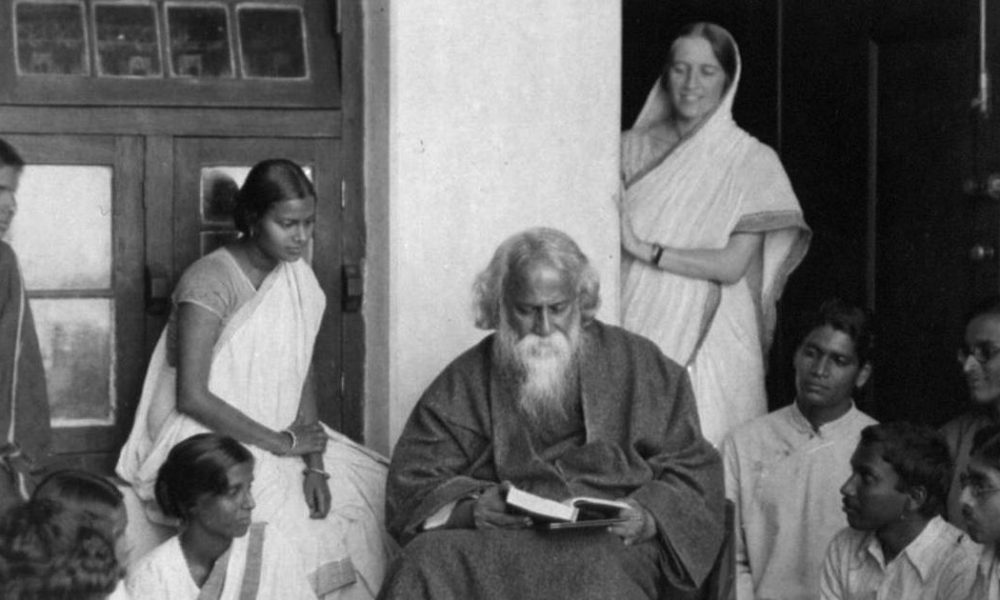
The 1940s marked a tumultuous period in Bengal, where the ravages of famine intersected with the backdrop of World War II, leading to profound shifts in the cultural landscape. One of the most significant transformations occurred within the realm of Rabindrasangeet—the body of songs by Rabindranath Tagore, which beautifully intertwines poetic lyrics with melodic compositions and holds a vital place in Bengali cultural identity. Traditionally performed within the confines of the bhadralok, the English-educated, upper-caste middle class of colonial Bengal, these songs began to resonate in broader, more politically charged spaces during this era.
As famine struck and discontent grew, Rabindrasangeet found new life outside its elitist origins, entering arenas of collective expression and political activism. This shift was particularly evident in the 1940s, when the songs were adopted by progressive cultural movements, notably the Marxist cultural movement. Organizations such as the Youth Cultural Institute, established in 1940, and the Indian People’s Theatre Association, founded in 1943, became platforms through which Tagore’s music was repurposed to convey messages of protest and solidarity against colonial oppression and socio-economic injustices.
Tagore’s songs, which once symbolized cultural elitism, began to acquire new political significance during the Bengal famine of 1943. In stark contrast to the sanitized performances that characterized the traditional renditions, the music evolved into a powerful tool of mobilization, reflecting the dire realities faced by the affected populace. The urgency of the famine and the cry for social change imbued Rabindrasangeet with an emotional depth that resonated with the masses, transforming it into a vehicle for resistance and hope.
Every year, on Tagore’s birth anniversary, his work is celebrated in various institutional and commemorative settings, such as concert halls and educational institutions, affirming its canonical status. However, this reverence often casts a shadow over the historical and political contexts that shaped the music. While these performances strive to project Tagore’s work as timeless and apolitical, they sometimes overlook the songs’ historical roots in social struggle and collective memory.
As we reflect on the legacy of Rabindrasangeet, it is crucial to acknowledge its dynamic evolution—from a symbol of cultural respectability to an anthem of resistance during one of Bengal’s darkest times. The interplay between Tagore’s music and the socio-political landscape of the 1940s reminds us that art is not created in a vacuum but is deeply influenced by the prevailing currents of society. Understanding this connection enriches our appreciation of Rabindrasangeet, allowing it to transcend its traditional boundaries and remain relevant in contemporary discourse.
Source: scroll.in






No Comment! Be the first one.