

The Growing Influence of Hindutva in West Bengal: Erosion of Democratic Norms
In 2021, when the Trinamool Congress secured another term in the West Bengal Assembly Elections, the political atmosphere was buoyant, and many celebrated what was hailed as a triumph of democracy. I...

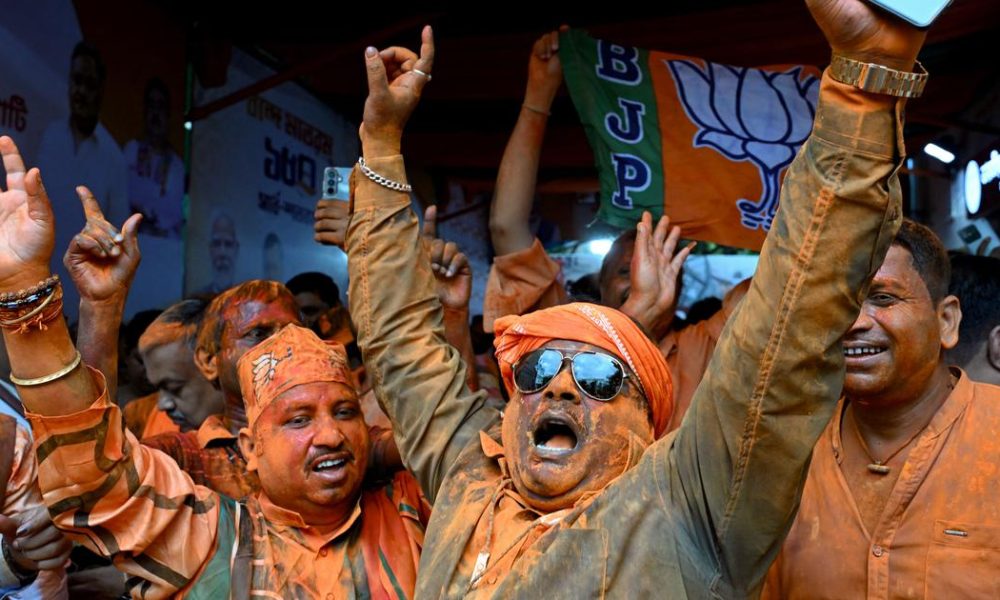
In 2021, when the Trinamool Congress secured another term in the West Bengal Assembly Elections, the political atmosphere was buoyant, and many celebrated what was hailed as a triumph of democracy. I had written a piece reflecting on the resilience of democratic values in India, emphasizing the ability of political parties, including the BJP, to engage their opponents in fair elections. However, the landscape has dramatically shifted over the past five years.
The recent electoral developments, particularly the Special Intensive Revision of the electoral rolls, which resulted in the disenfranchisement of approximately nine million voters, raise serious concerns about the integrity of the electoral process in West Bengal. Of those removed, around 2.7 million have challenged their exclusion, indicating a widespread discontent and questioning the motives behind these actions. This scenario paints a stark picture where the BJP appears increasingly unwilling to accept electoral losses, casting doubts over its commitment to uphold democratic principles.
The implications extend beyond West Bengal, resonating across the nation. Historically, India has prided itself on having robust independent institutions, such as the Election Commission and the judiciary, which have served as safeguards for democracy, especially in a diverse society like ours. However, current trends suggest a weakening of these institutions, leading to fears that the ruling government’s allegiance to democratic values and pluralism is diminishing. This is particularly troubling as it indicates a shift towards establishing a majoritarian Hindu nationalist framework, which could redefine the essence of India’s democratic ethos.
In light of these developments, the future of pro-India voices and dissenting opinions becomes increasingly uncertain. The rise of Hindutva ideology in West Bengal not only threatens the political diversity within the state but also signals a broader national shift that could stifle dissent and alternative viewpoints. As the state grapples with this ideological transformation, it raises critical questions about the nature of democracy in India and the long-term impact on its diverse populace.
As citizens, it is vital to remain vigilant and engaged, ensuring that the democratic fabric of the country is preserved. The hardening of Hindutva in West Bengal is not merely a regional issue; it is a reflection of a national crisis that demands collective attention and action to uphold the values of democracy and secularism that India has always championed.
Source: scroll.in



No Comment! Be the first one.