

Supreme Court Upholds Umar Khalid’s Bail Denial; Calls for Report on West Bengal Voter Tribunals
The Supreme Court of India has recently rejected the review petition submitted by activist Umar Khalid, which sought to overturn an earlier decision denying him bail in connection with the Delhi...

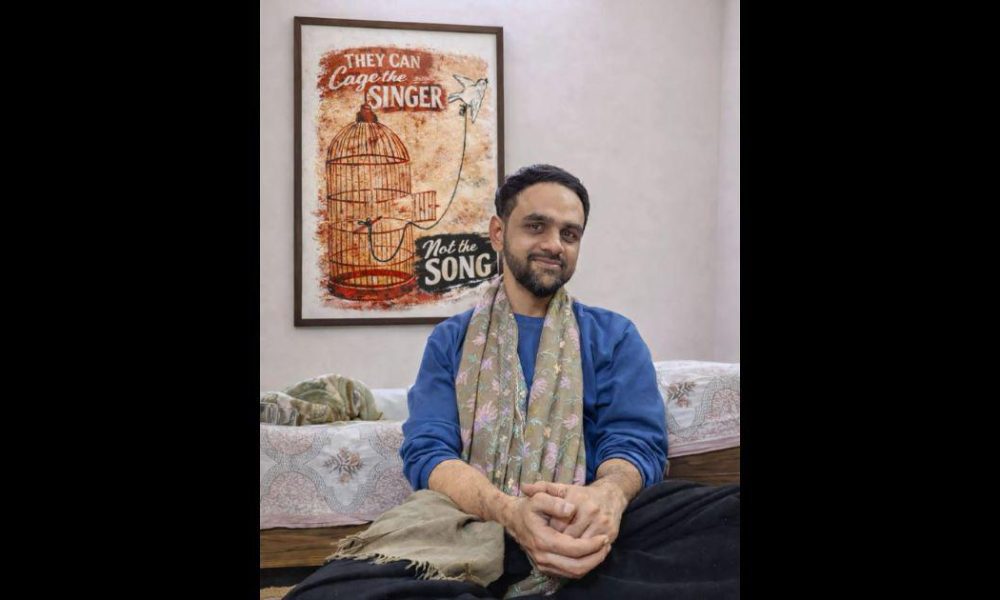
The Supreme Court of India has recently rejected the review petition submitted by activist Umar Khalid, which sought to overturn an earlier decision denying him bail in connection with the Delhi riots conspiracy case. In its assessment, the court stated it found no substantial grounds to revisit its January 5 ruling, which also denied bail to fellow activist Sharjeel Imam.
On January 5, the Supreme Court’s bench comprising Justices Aravind Kumar and NV Anjaria made a critical decision regarding the bail applications of Khalid and Imam, while simultaneously granting bail to other accused individuals, including Gulfisha Fatima and Meeran Haider. Khalid’s appeal, aimed at challenging this decision, was dismissed just days ago, but the details of the ruling were made public only recently.
Umar Khalid has been behind bars for over five years, charged under the stringent Unlawful Activities (Prevention) Act (UAPA), which has raised concerns over the treatment of dissenters in India. His prolonged incarceration has sparked significant discourse around civil liberties, with Khalid himself expressing a sense of disconnection from the evolving world outside his prison cell.
In a related development, the Supreme Court has directed the Chief Justice of the Calcutta High Court to provide a report concerning the operations of appellate tribunals in West Bengal. These tribunals were established to address grievances related to the deletion of voters from electoral rolls in the state. Reports have suggested that these tribunals are not functioning effectively, which has led to public concern about electoral transparency and the integrity of the voting process.
Chief Justice Surya Kant of the Supreme Court has voiced his frustration regarding these matters, highlighting the importance of ensuring that such judicial bodies operate to uphold the rights of voters and facilitate fair elections. This inquiry comes amid rising scrutiny of electoral processes in various states across India, particularly in light of recent controversies surrounding voter registration and polling integrity.
Source: scroll.in




No Comment! Be the first one.