

Severe Drought Hits Maharashtra’s Beed District as Winter Approaches
As winter sets in, the residents of Beed district in Maharashtra are facing dire consequences from one of the most severe droughts in recent memory. Awasrao Powal, a 90-year-old villager, reflects on...

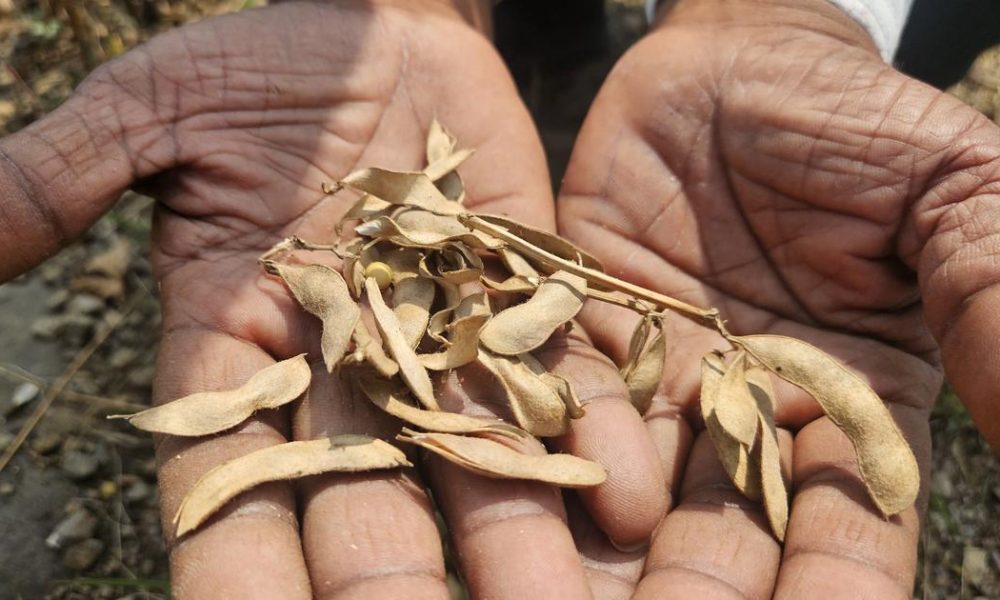
As winter sets in, the residents of Beed district in Maharashtra are facing dire consequences from one of the most severe droughts in recent memory. Awasrao Powal, a 90-year-old villager, reflects on a lifetime of droughts, recalling the challenges of 1972 when food was scarce but water was available. However, he notes that the current situation is far worse. Most water sources in his village of Chumbali have run dry, leaving families in desperation. “There is no money,” Powal lamented. “There is no work.”
Recent assessments show that more than two-thirds of Maharashtra, encompassing 304 out of 358 tehsils, have been classified as drought-affected due to an alarming 18% shortfall in monsoon rains. Beed has been particularly hard-hit, experiencing a staggering 37% deficit, marking it as the worst drought in a decade. This lack of rainfall has not only impacted the availability of drinking water but has also devastated agricultural activities in the region.
The agricultural community is bearing the brunt of this weather calamity. Mustafa Khan, a local farmer, shared the adversity he faces as he watches his cotton crop struggle to survive. Normally reaching heights of four to six feet and producing 70 to 80 pods, this year’s harvest has been drastically diminished, with his plants yielding fewer than ten pods. “The crop has not matured,” Khan explained, expressing concern over his ability to sustain his livestock. With 12 cows, buffaloes, and bulls to care for, he has resorted to purchasing fodder from the market, where prices have surged from Rs 10 to Rs 20 per bundle over the past two months.
The repercussions of the drought extend beyond agriculture. Farmers like Khan are not only battling with crop failure but are also witnessing decreased milk production due to insufficient fodder for their animals. The combination of diminished agricultural yield and rising costs is pushing many families towards financial instability. As winter approaches, the plight of Beed and other drought-stricken areas raises urgent questions about food security, water management, and the need for immediate government intervention.
In light of these challenges, local authorities and organizations are being called upon to provide relief and support to the affected communities. As the situation continues to worsen, there is an urgent need for comprehensive strategies to address the immediate needs of those affected and to develop long-term solutions to mitigate the impact of such climate challenges in the future. The voices of the elderly like Powal and the struggles of farmers like Khan highlight the human toll of this environmental crisis, underscoring the importance of community resilience and state support in navigating the difficulties ahead.
Source: scroll.in







No Comment! Be the first one.