

Student Leader Neha Bora Challenges Peace Bond Notice in Delhi High Court
Neha Bora, a prominent student leader and the president of the All India Students’ Association, has approached the Delhi High Court to contest a notice from a special executive magistrate. The notice...

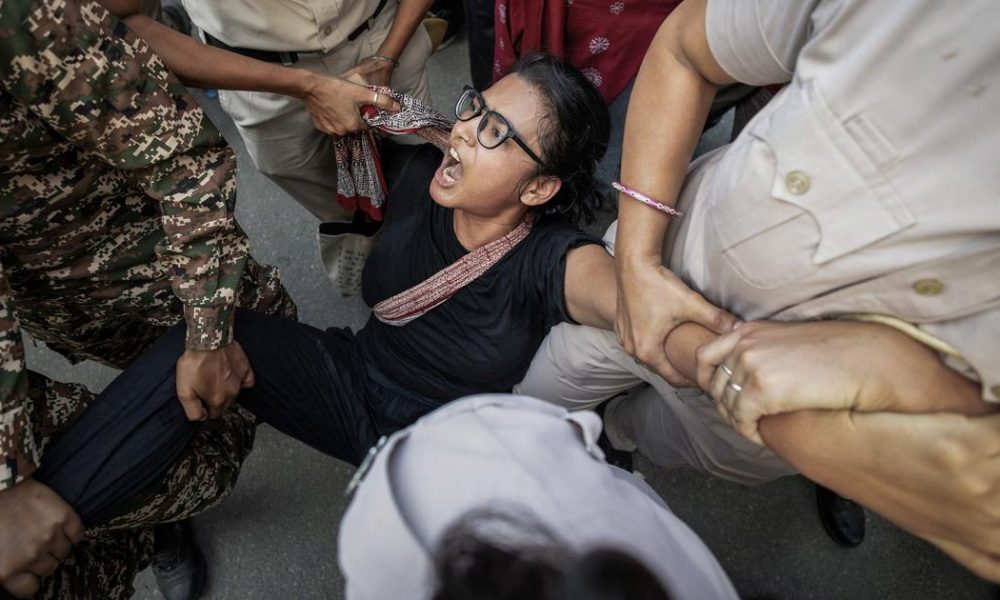
Neha Bora, a prominent student leader and the president of the All India Students’ Association, has approached the Delhi High Court to contest a notice from a special executive magistrate. The notice requires her to sign a bond ensuring the maintenance of peace amid an ongoing inquiry regarding her recent actions during a protest. This legal challenge reflects the growing tensions surrounding student activism and governmental responses to dissent in India.
Bora’s pushback follows her detention during a flash protest near Barakhamba Road, where students rallied for the resignation of Chief Election Commissioner Gyanesh Kumar. Reports indicate that Bora was apprehended on Friday and subsequently taken to an undisclosed location before being transferred to the RK Puram Police Station. She was detained overnight and released early the next morning, an event that has raised eyebrows among supporters and civil rights advocates alike.
The notice, issued on Saturday, references several provisions of the Bharatiya Nagarik Suraksha Sanhita, specifically Sections 126 and 130, alongside Section 135(3). These legal statutes empower magistrates to require individuals to justify their actions regarding public order and, under specific circumstances, compel them to submit a bond for maintaining peace while inquiries are ongoing. In Bora’s case, she was ordered to appear before the magistrate and provide a personal bond of ₹10,000 with a surety to ensure compliance with the conditions set forth.
At the heart of this issue is a broader narrative about the state of student activism in India. With a history of students playing a pivotal role in social and political movements, recent actions by government authorities have led to increased scrutiny and tension. Bora’s protest was not merely a call for the resignation of an election official but a broader demand for accountability and transparency in electoral processes. The use of legal measures to quell dissent raises significant questions about the balance between maintaining public order and upholding democratic freedoms.
As the case progresses in the Delhi High Court, it will serve as a crucial touchpoint for discussions on civil liberties and the rights of students in India. The outcome may have implications not just for Bora but for the larger student community and their ability to voice political opinions without fear of retribution.
Source: scroll.in






No Comment! Be the first one.